
Improving reliability for agricultural operations by utilizing the Hendrix conductor system and a 1,042' horizontal directional drill (HDD)
Grid Resilience Project - Overhead and Underground
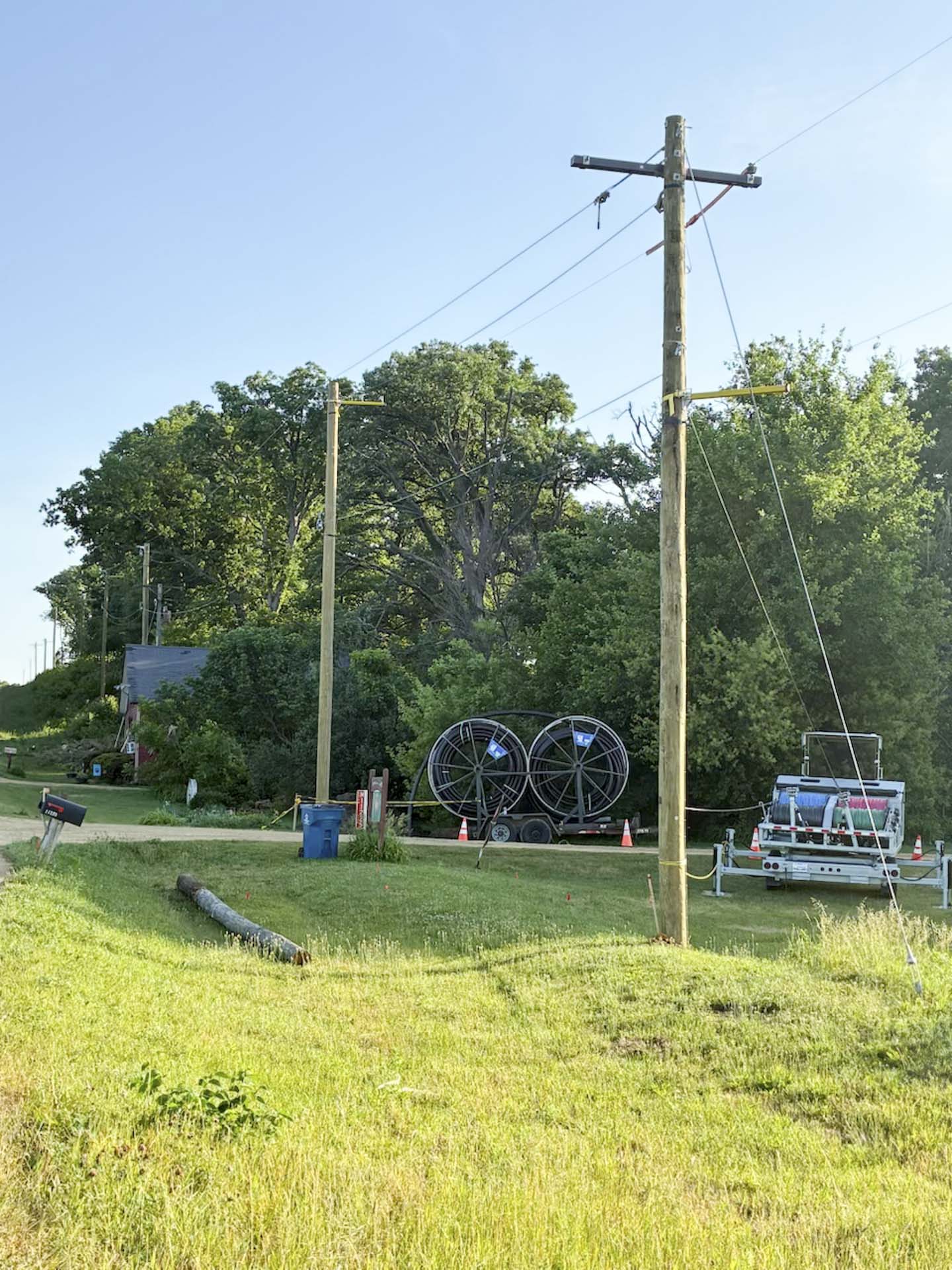
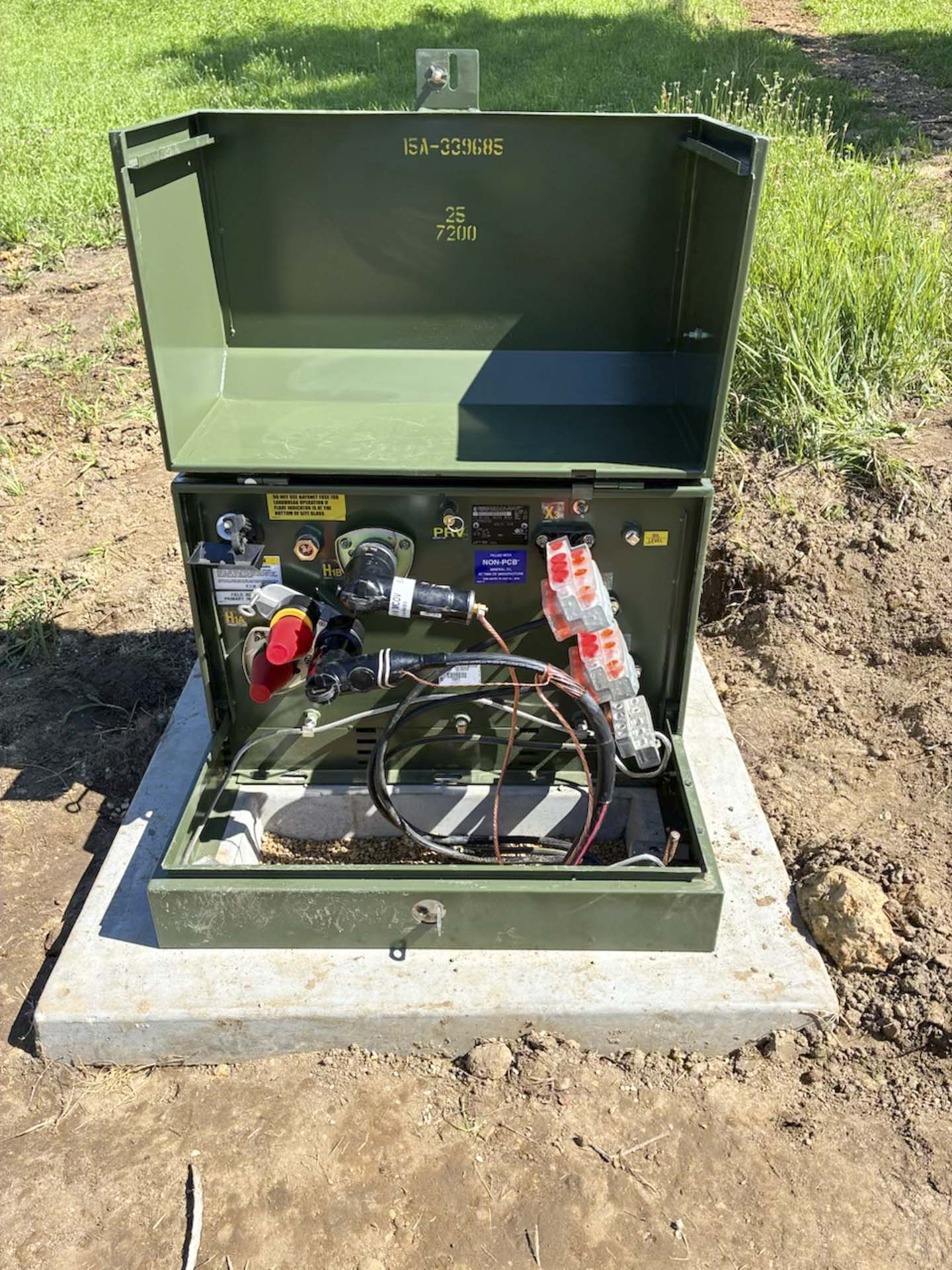
Grid Hardening in Agricultural Regions: Resiliency Upgrades by Electric Conduit Construction
Executive Summary
Rural agricultural operations rely heavily on consistent three-phase power for critical infrastructure, including poultry houses, grain drying, and daily maintenance. Traditional overhead power lines are highly vulnerable to storm damage, leading to expensive, premium-rate emergency utility call-outs. To enhance grid resilience, Electric Conduit Construction was contracted to implement a hybrid solution combining horizontal directional drilling (HDD) and advanced overhead insulated spaced wire systems. This project successfully eliminated structural vulnerabilities, protected local agricultural yields, and minimized future utility restoration costs.
The Challenge: Costly Outages and Vulnerable Grid Infrastructure
Severe storms frequently blow trees and limbs onto exposed rural power lines, causing immediate outages. For agricultural producers, power loss threatens livestock safety and halts time-sensitive harvesting processes like grain drying. For utility providers, clearing damage and dispatching emergency crews outside standard working hours incurs steep labor costs at premium pay scales. To mitigate these economic and operational risks, NEW infrastructure was required to create a comprehensive grid-hardening upgrade capable of withstanding high winds and falling debris.
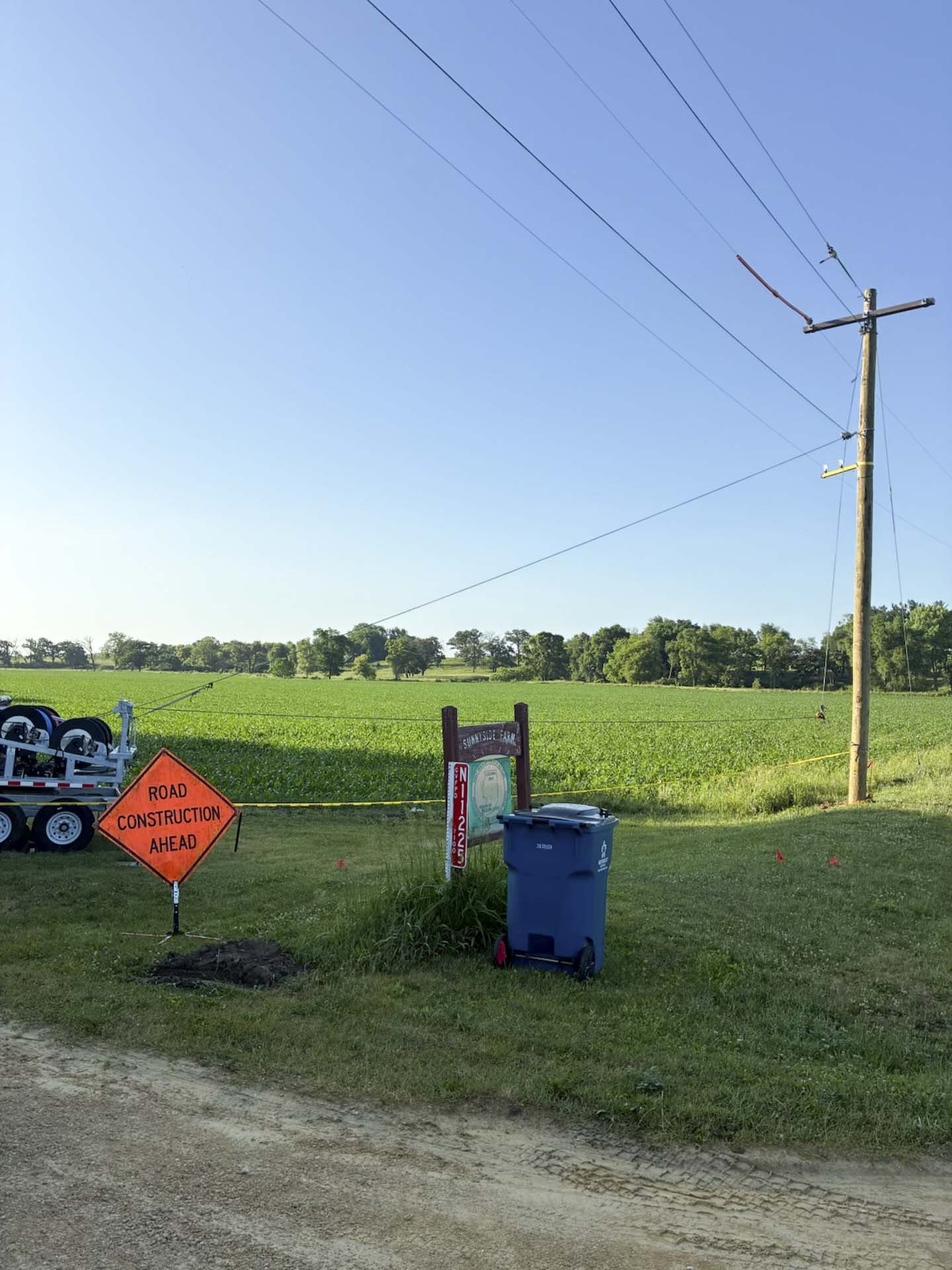
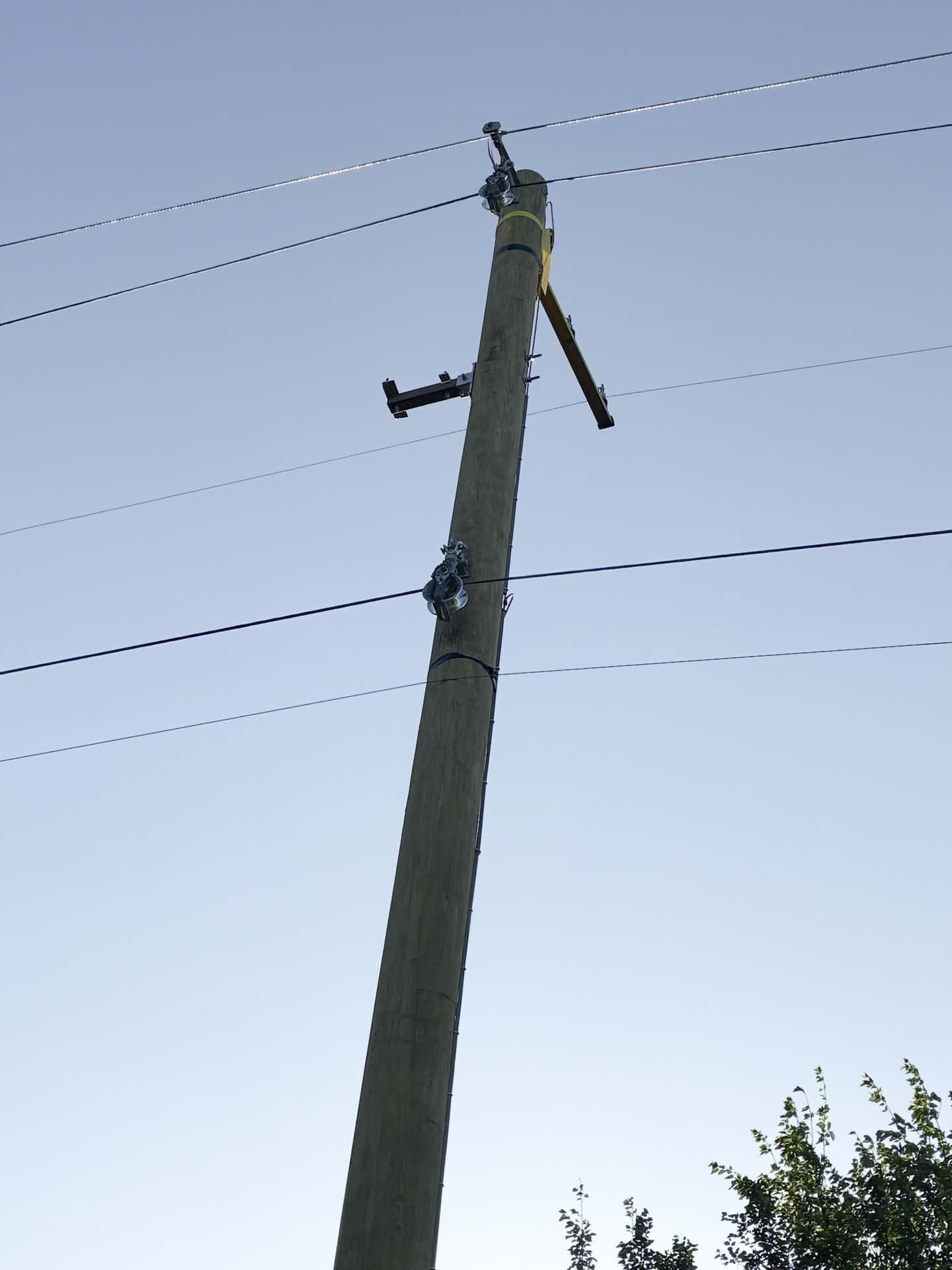
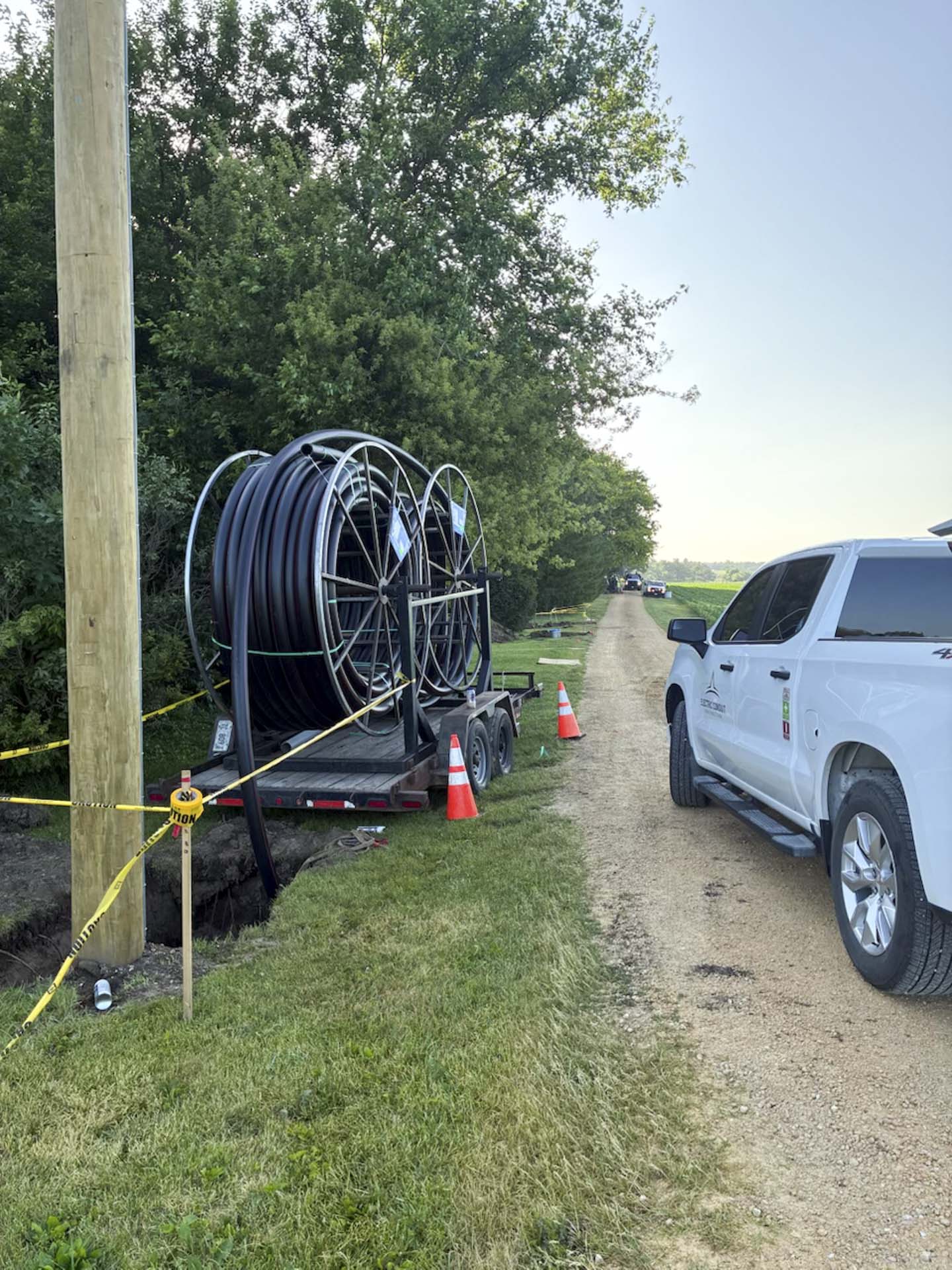
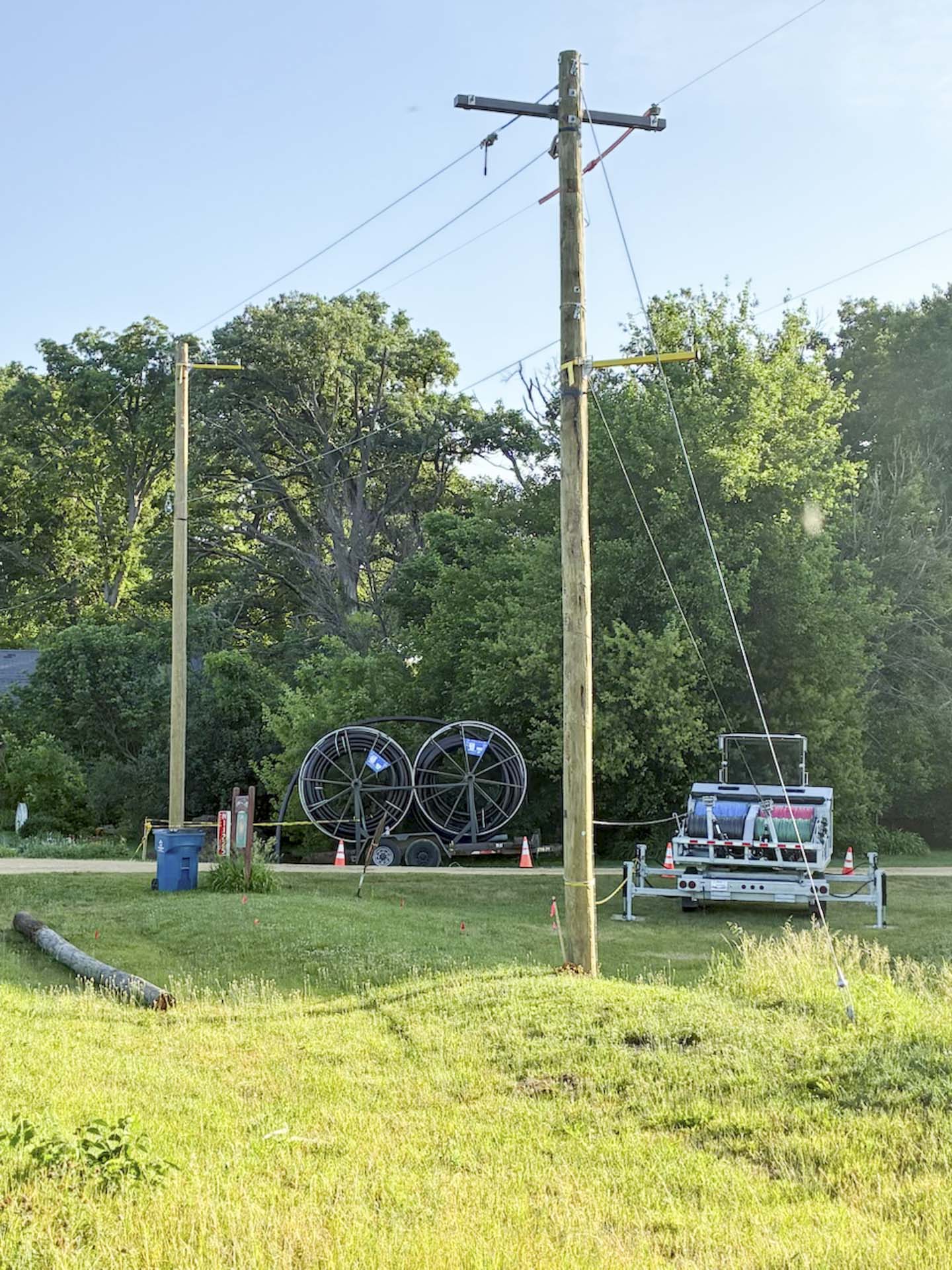
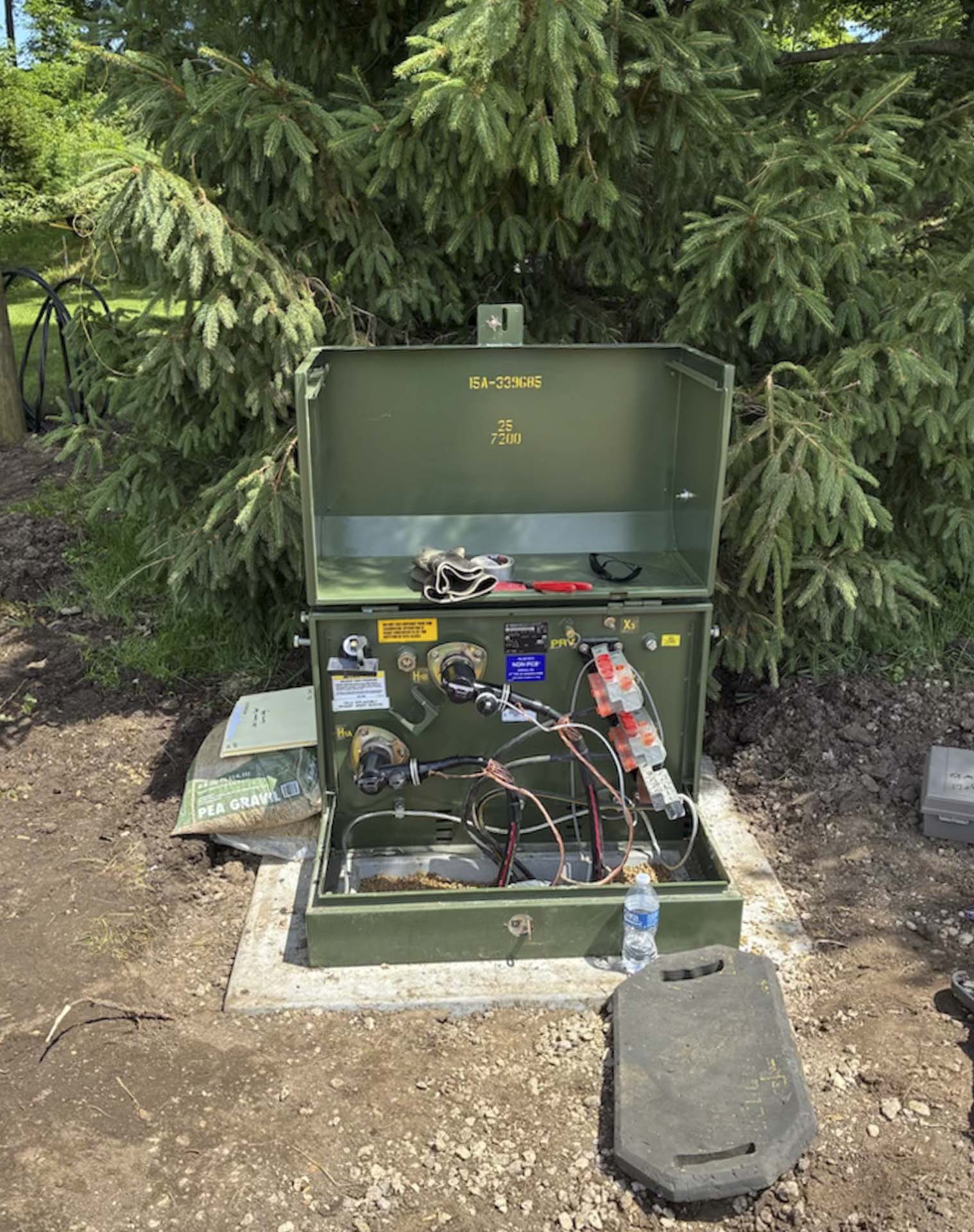
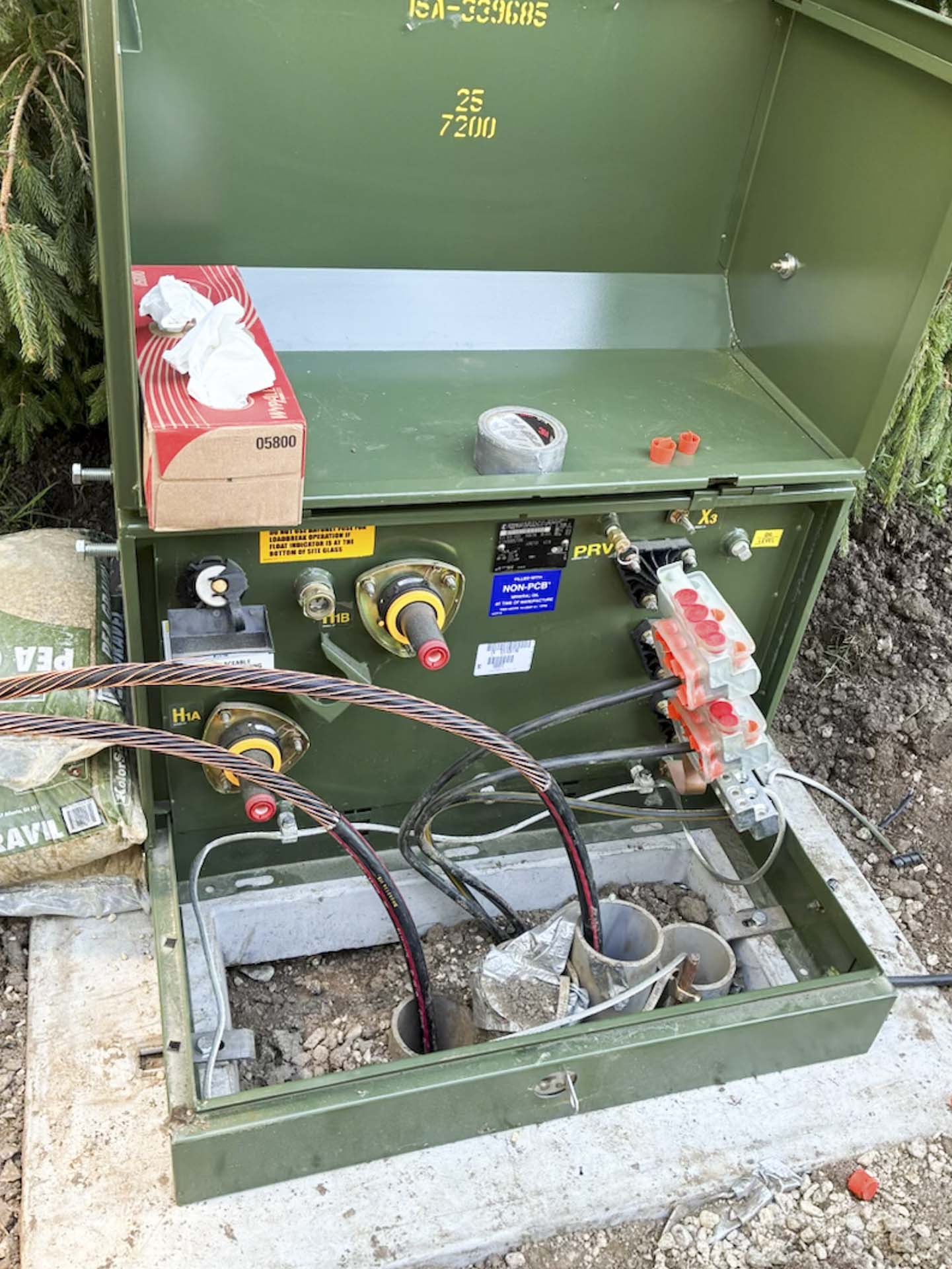
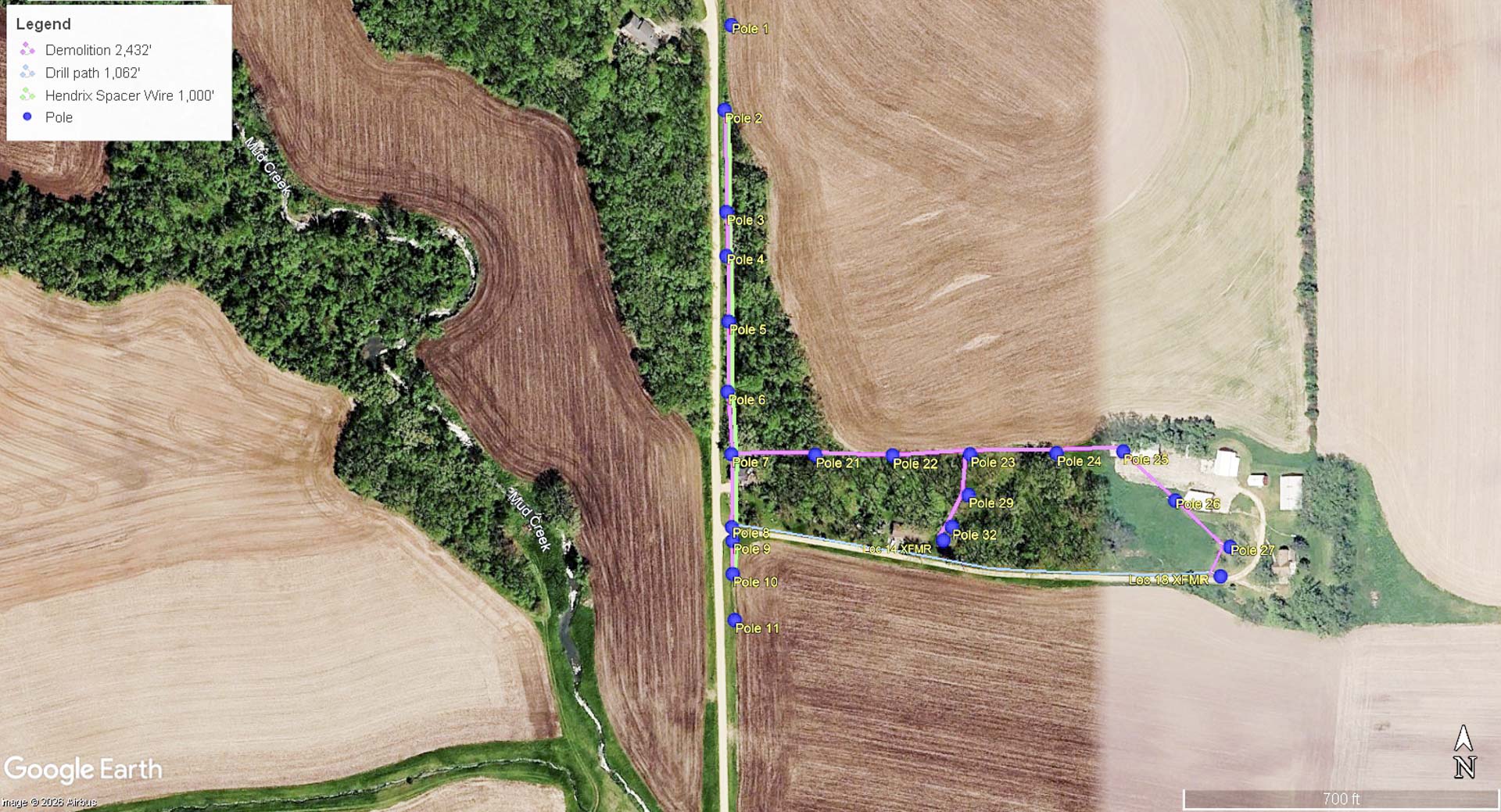
The Solution: Hybrid Underground HDD and Spaced Overhead Conductors
Electric Conduit Construction deployed a dual-strategy approach, combining overhead reinforcement with underground relocation to optimize protection at critical termination points.
Why the Hendrix Spacer Cable System?
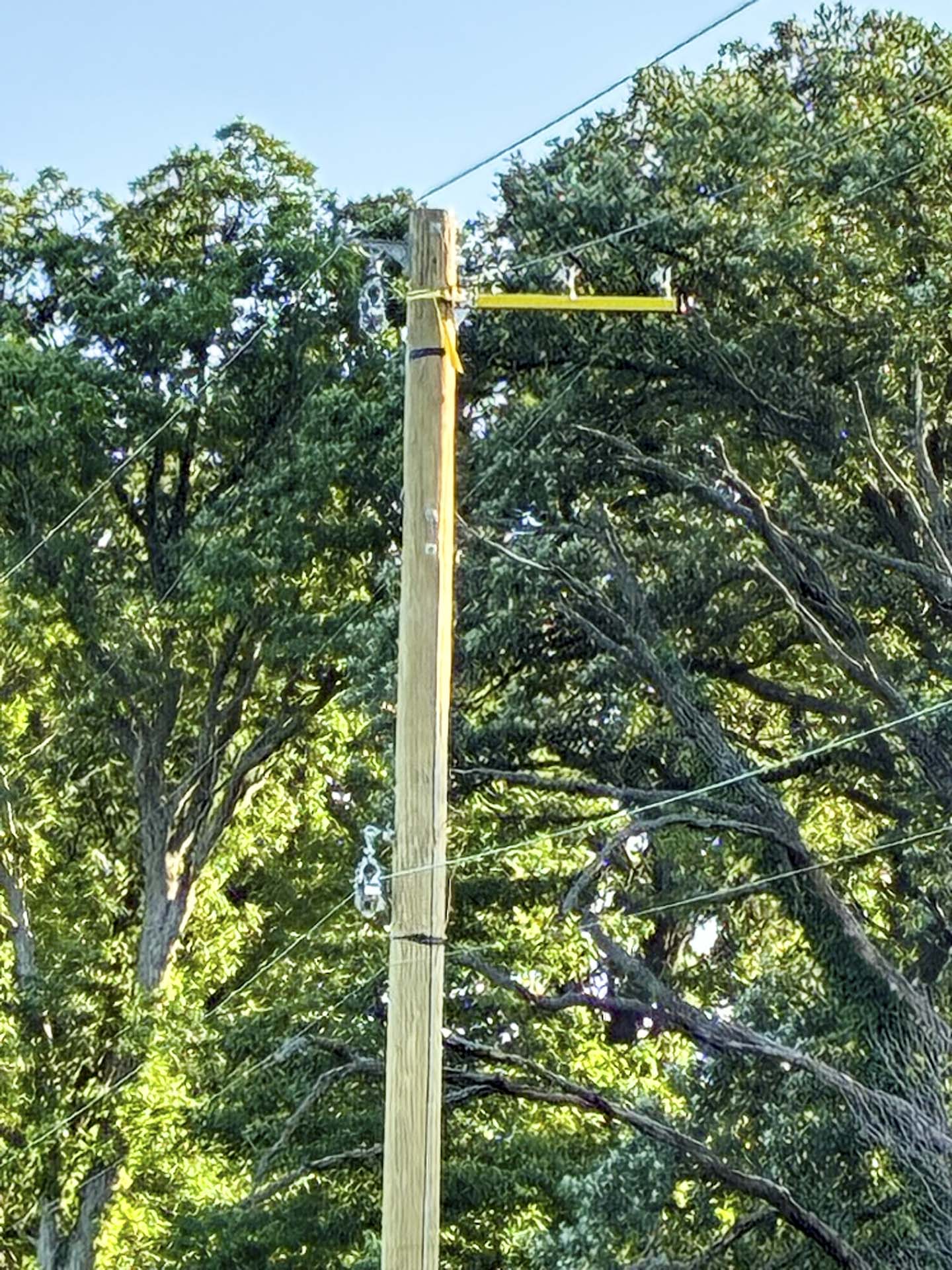
To harden the overhead portions of the 12 KV line, the team selected the Hendrix Spacer Cable System, which is specifically engineered to reduce weather-related outages by up to 90%. Unlike traditional, exposed bare-wire systems, the Hendrix design achieves its extreme resilience through a specialized three-element engineering profile:
- The High-Strength Messenger Wire: A heavy-duty, high-tensile Aluminum-Clad Steel (AWA/AW) top messenger wire acts as the physical backbone of the system. It bears all the structural tension, supports the weight of the phase conductors, and serves as an integrated system neutral and shield wire for lightning protection. Linemen note that under extreme mechanical loads (such as a massive falling tree), a utility pole will typically snap before this messenger cable fails.
- Polyethylene Diamond Spacers: High-density polyethylene, diamond-shaped Hendrix Cable Spacers are suspended from the messenger wire at tight, 30-foot intervals. These components mechanically secure the three primary phase conductors in a compact configuration, maintaining uniform spacing and eliminating the risk of conductor clashing or arcing during high-velocity winds.
- 3-Layer Covered Conductor Design: The individual phase wires are fully insulated using a proprietary three-layer extrusion process. This includes a semi-conducting polyethylene conductor shield to smooth out voltage stress, a natural low-density polyethylene inner insulation layer, and a rugged, track-resistant outer jacket. This high-dielectric wrapping enables the conductors to withstand continuous, direct physical contact with wet tree branches or fallen limbs without triggering short circuits, phase-to-ground faults, or dangerous wildfire-igniting sparks.
Scope of Work
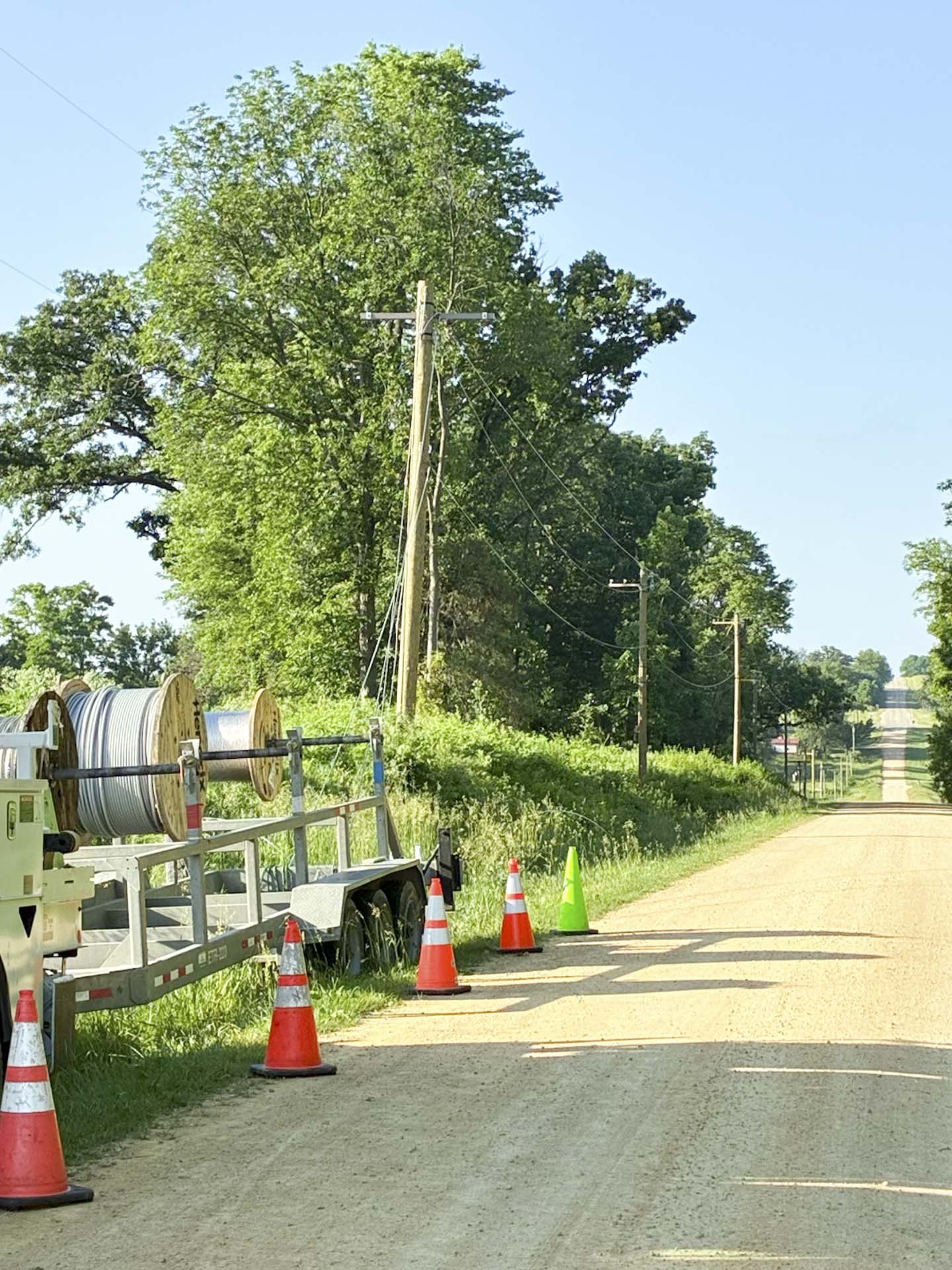
- Advanced Overhead Installation: Installed the Hendrix spaced wire system on a 12 KV distribution line spanning 10 utility poles. The compact design naturally allowed for narrower right-of-way clearances and minimized the tree-trimming radius required around local farm perimeters.
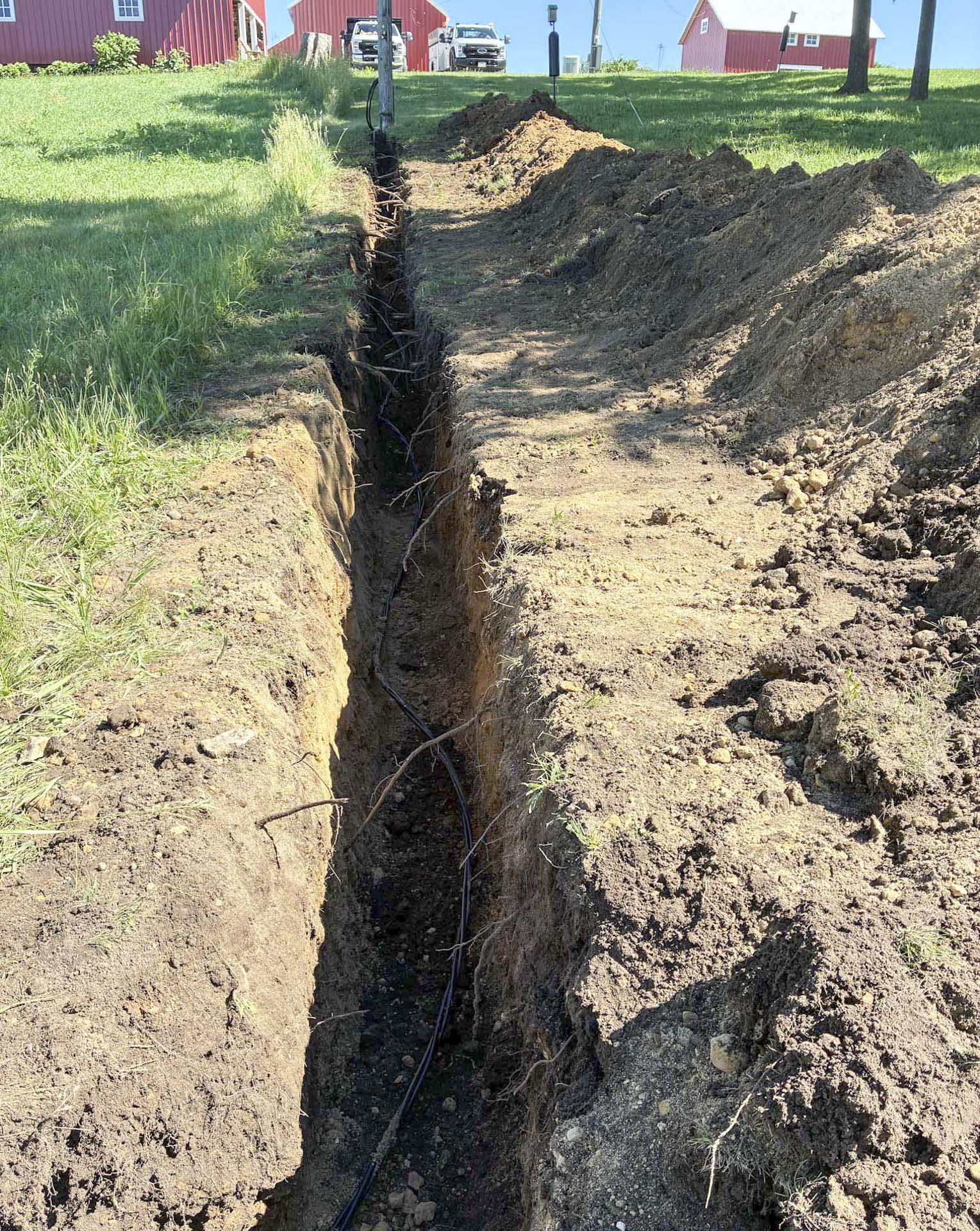
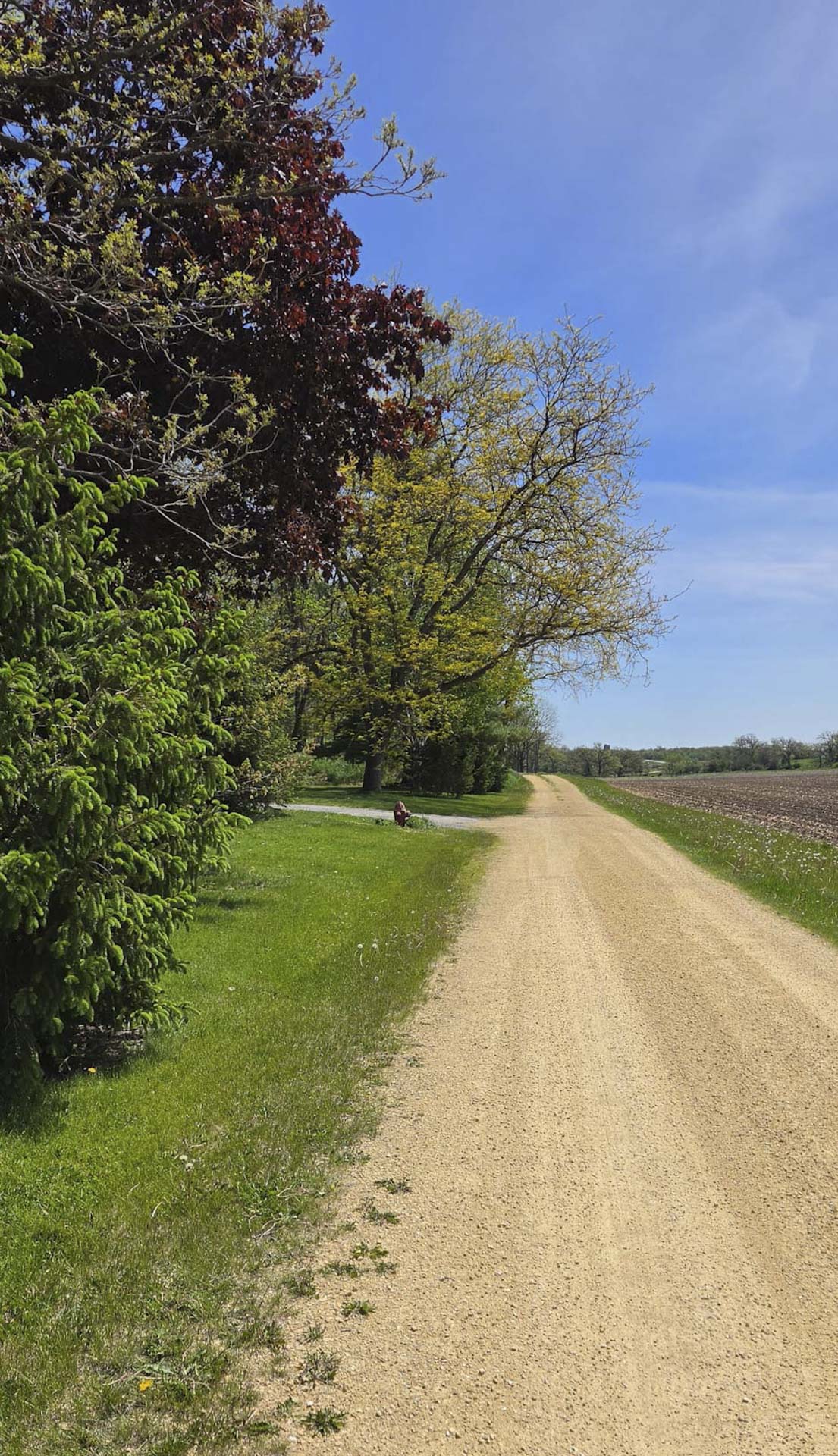
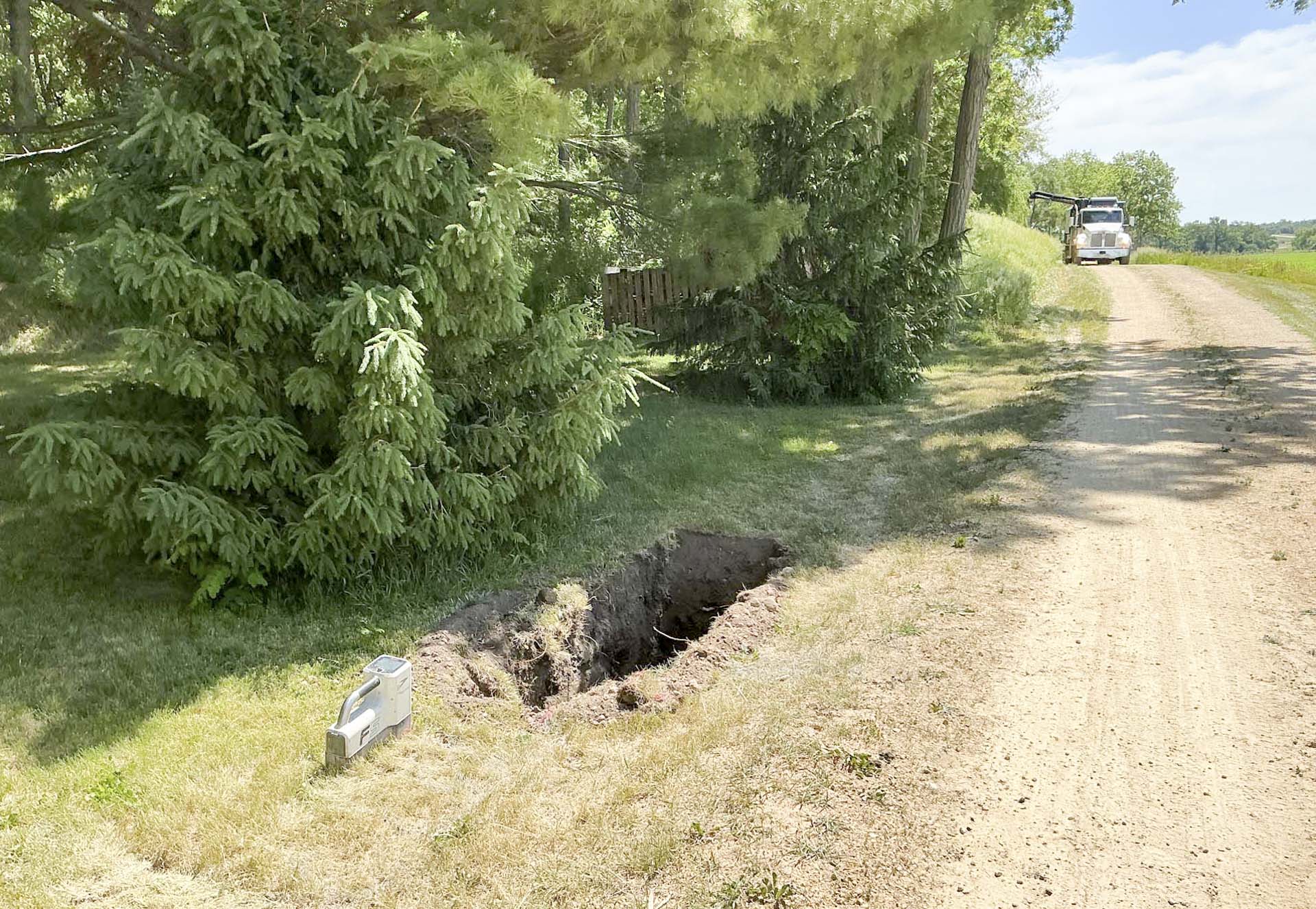
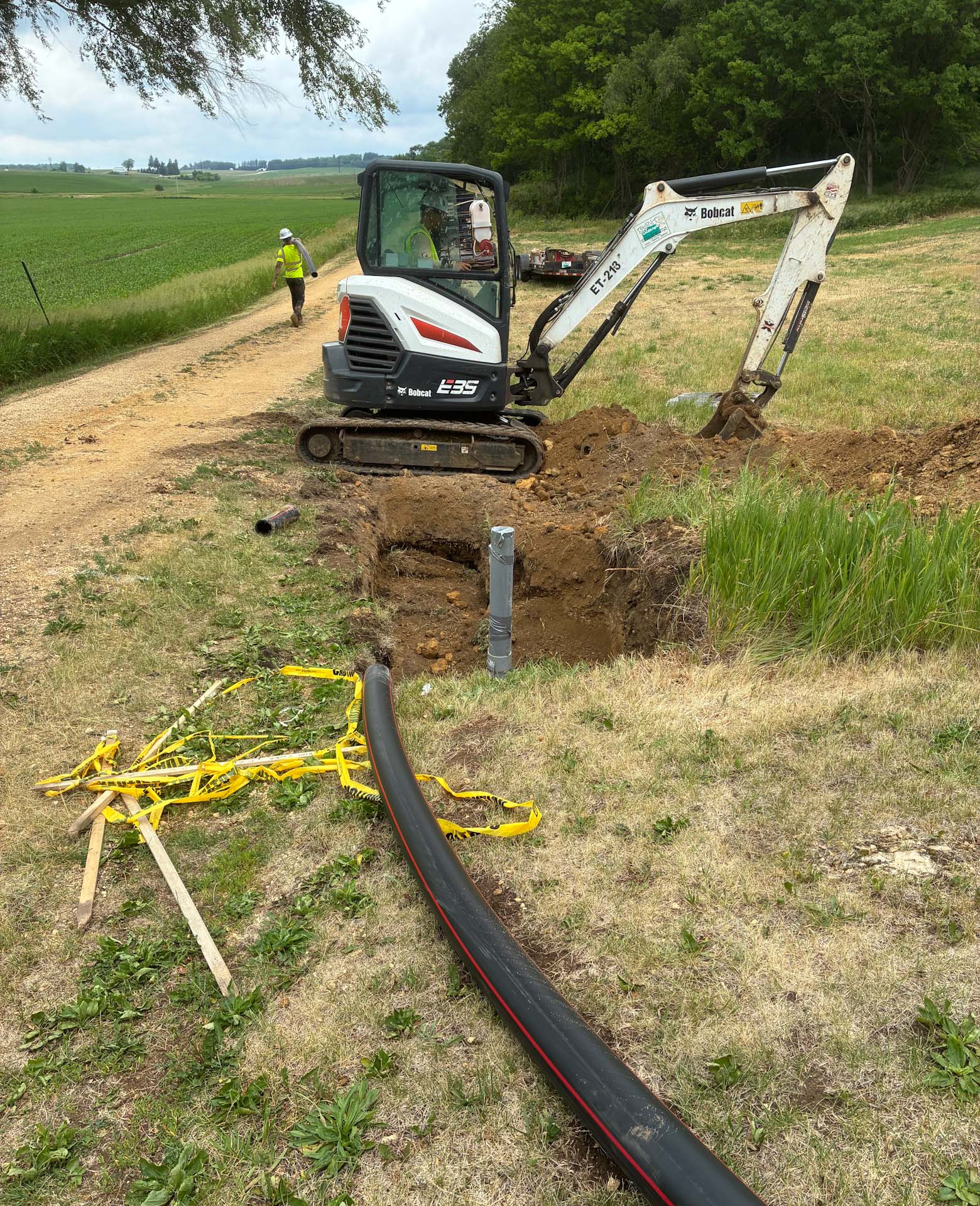
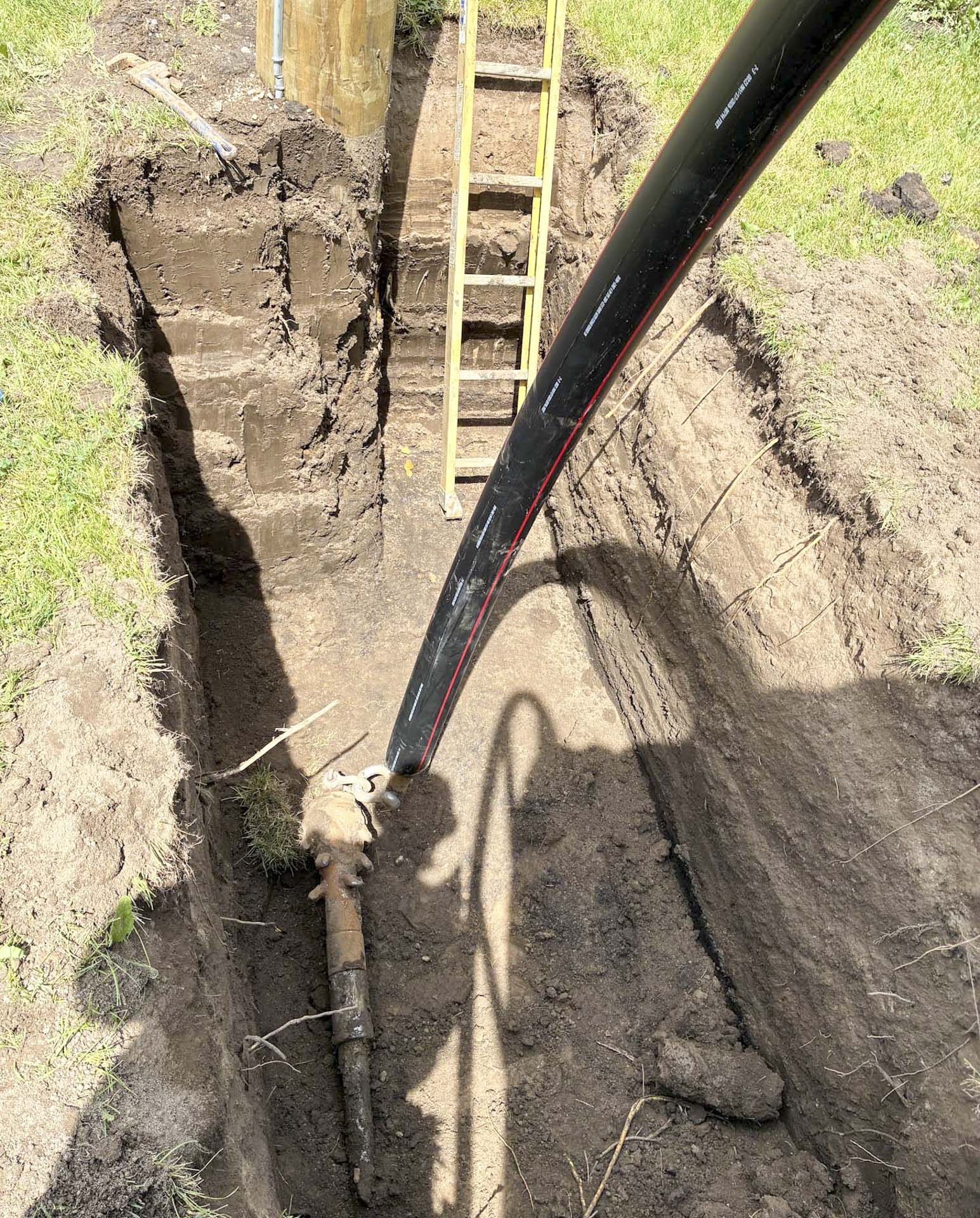
- Trenchless Undergrounding: Executed 1,000 feet of horizontal directional drilling (HDD) to place two 4 inch conduits and pulling back two conductors. These vulnerable line segments are underground, eliminating all exposure to wind, fire, and falling debris.
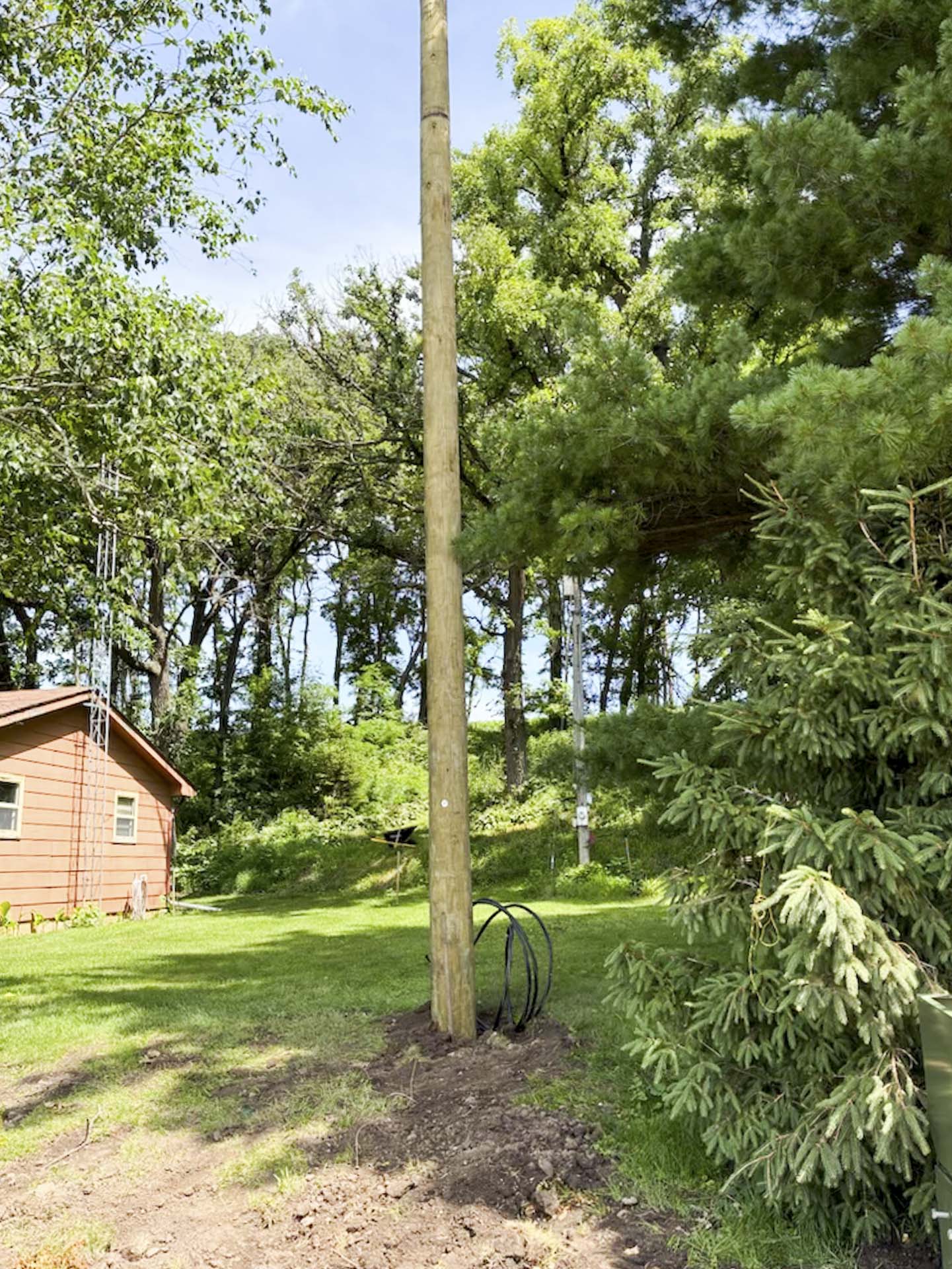
- Transition & Infrastructure Build: Constructed a specialized riser pole to transition the system from overhead to underground, pulled the heavy distribution cable through the drilled conduit, and completed high-voltage terminations.
- Decommissioning & Demolition: Removed and safely demolished 2,400 feet of obsolete, vulnerable overhead power lines and extracted 8 legacy utility poles.
- System Integration & Testing: Terminated connections into existing main distribution systems and transformers, installed protective fuses, conducted rigorous system voltage testing, connected secondary lines, and smoothly restored energized power to the grid.
The Results: Uninterrupted Power and Reduced Operational Costs
- Weatherproof Infrastructure: The combination of underground lines and messenger-supported overhead conductors created a system virtually immune to high winds, flying branches, and direct tree impacts.
- Agricultural Safeguards: Local farms secured uninterrupted three-phase power, protecting vital poultry operations and grain production from catastrophic downtime.
- Utility Cost Mitigation: By drastically reducing the frequency of line faults, the utility company significantly lowered its reliance on expensive, premium-scale emergency crew call-outs.
- Long-Term Asset Benefits: Beyond storm hardening, the Hendrix system provides improved voltage regulation and lower ongoing operation and maintenance (O&M) costs over the lifetime of the circuit.
Secure Your Grid Resiliency
If your service area or commercial operation requires professional grid-hardening upgrades via advanced overhead tracking or precision horizontal directional drilling, Electric Conduit Construction delivers safe, high-quality results.
To partner with us on your next utility infrastructure project, please click "Request a Project" or contact Carl Oko at 630-360-7903. Our teams are ready to build your project with precision and safety.