
Distracted driving is now an epidemic. It is an industry responsibility to find solutions that will keep workers safe as drivers watch their screens instead of the road.
The Growing Threat of Distracted Drivers in Work Zones
The Growing Threat of Distracted Driving in Work Zones: Why Advanced Controls Are No Longer Enough
Introduction
Temporary Traffic Control (TTC) zones are engineered to protect utility crews, construction personnel, and the motoring public. Designed strictly in accordance with federal and state standards—such as the Manual on Uniform Traffic Control Devices (MUTCD)—these zones rely on clear, redundant visual cues: advanced warning signage, merging tapers, sequential arrow boards, and buffer zones.
However, even the most rigorously designed work zone cannot compensate for a driver who is not paying attention. Across the utility and infrastructure construction industries, work zone intrusions caused by distracted driving have become a critical hazard, placing field crews at severe risk despite full regulatory compliance.
A Near-Miss Case Study: Four lane bi-directional highway, SW of Chicago
A striking example of this challenge occurred during an Electric Conduit Construction (ECC) operation on a highway SW of Chicago with a speed limit of 55 mph.
- Setup: The ECC crew established a compliant Temporary Traffic Control zone on the State route to perform trenching operations in the utility easement. The TTC setup reduced northbound travel from two lanes to one, featuring more than the required minimum advance warning signs, a high-visibility arrow board at the merging taper, and a robust buffer zone.
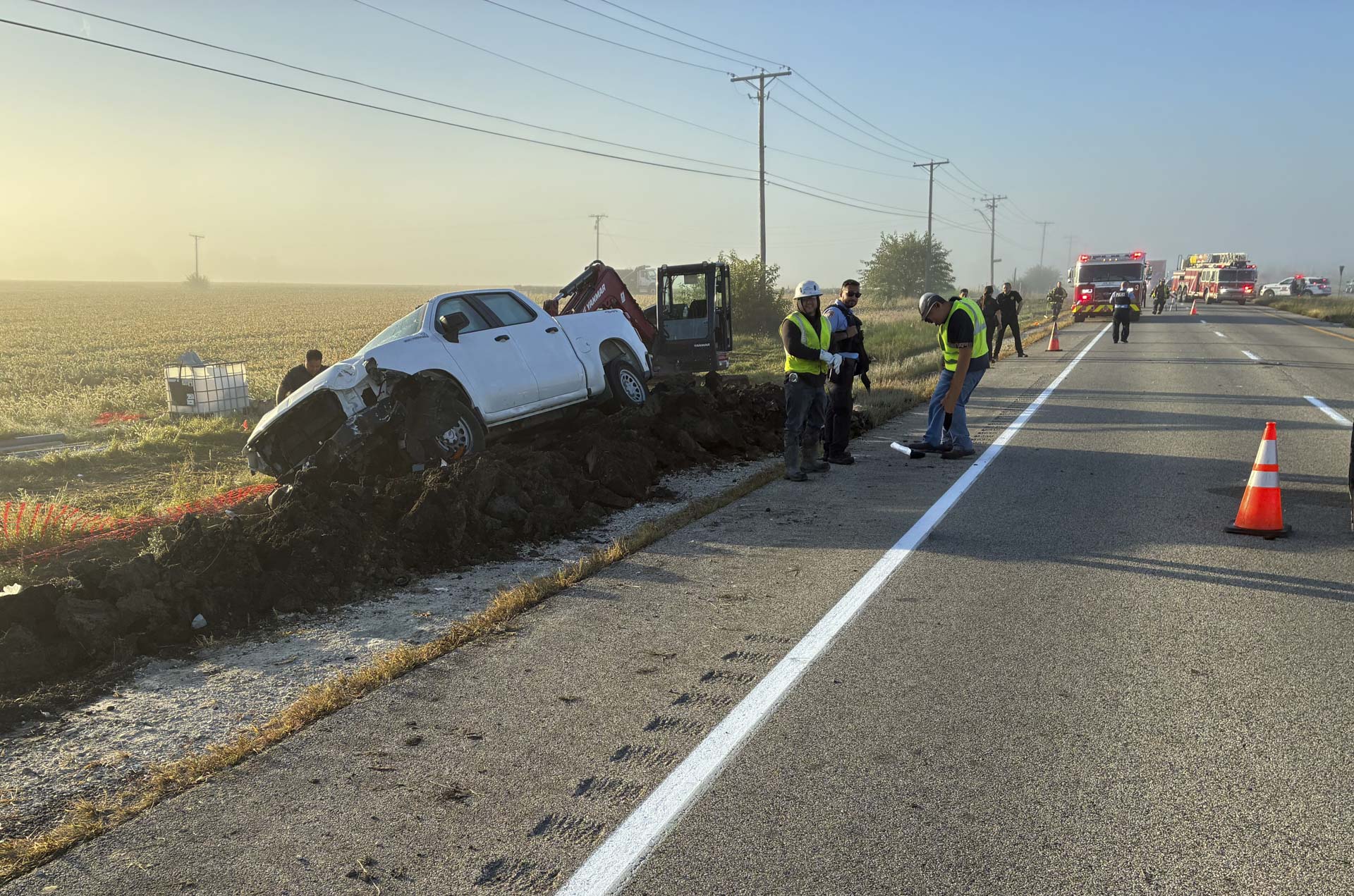
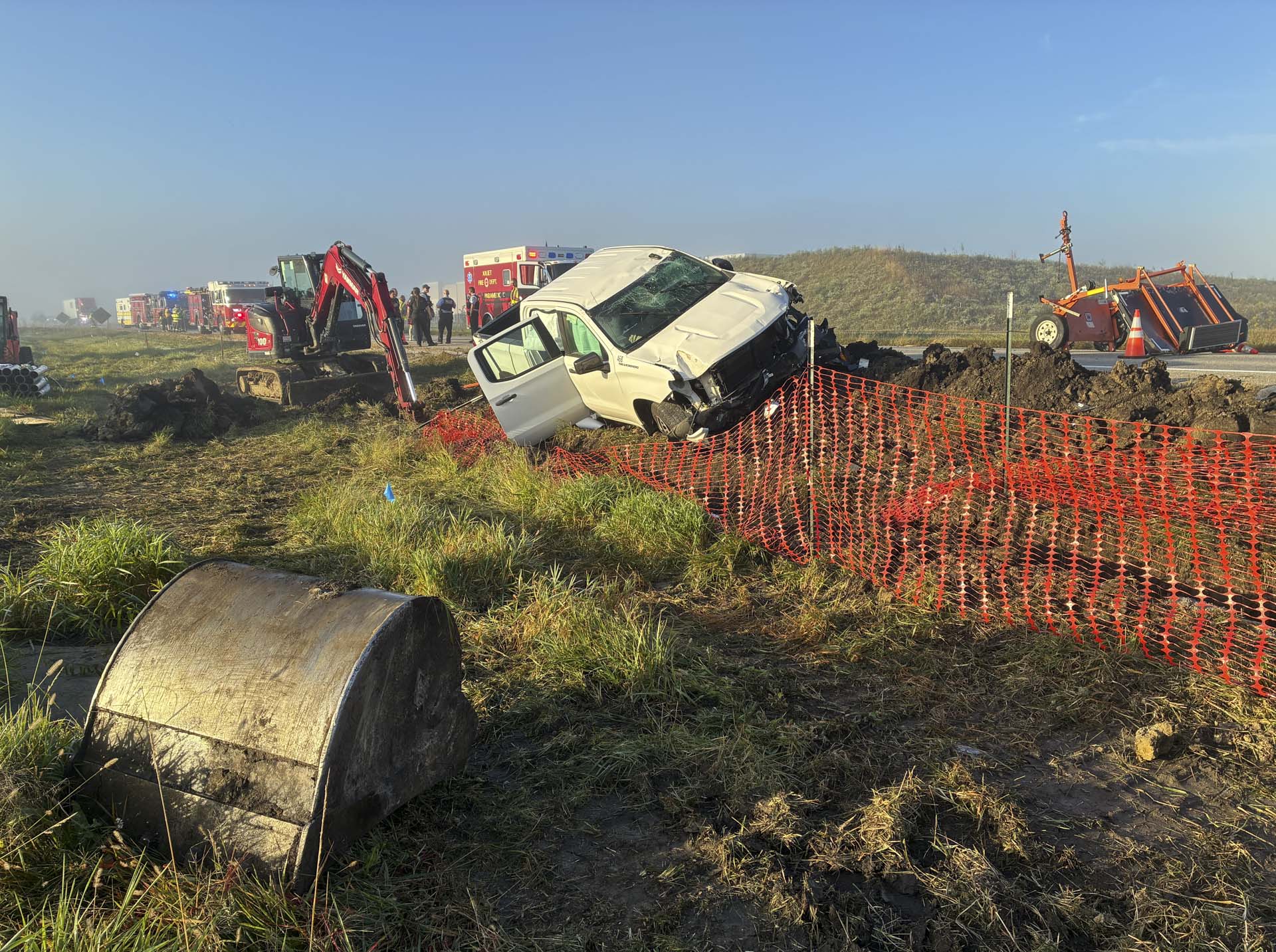
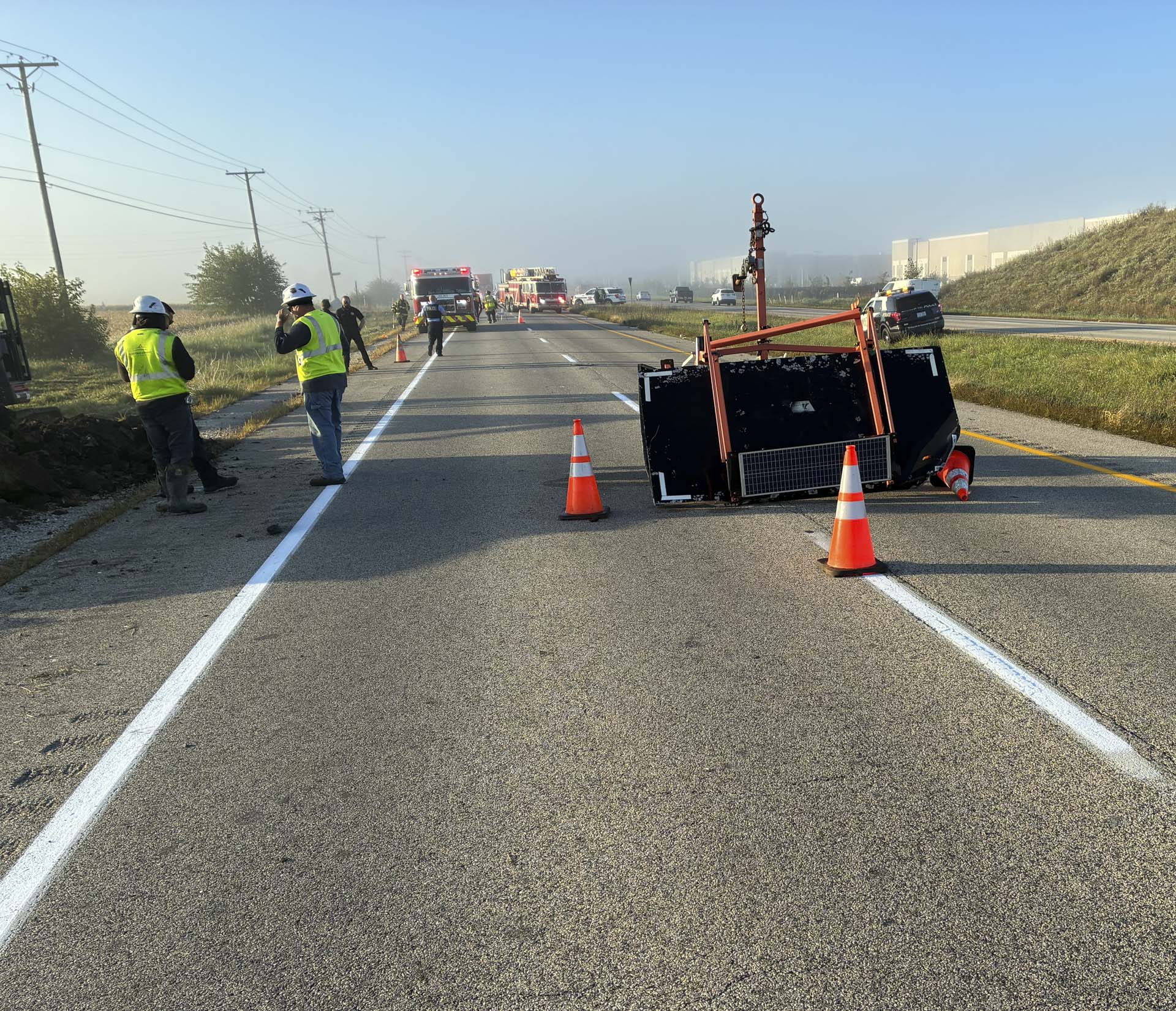
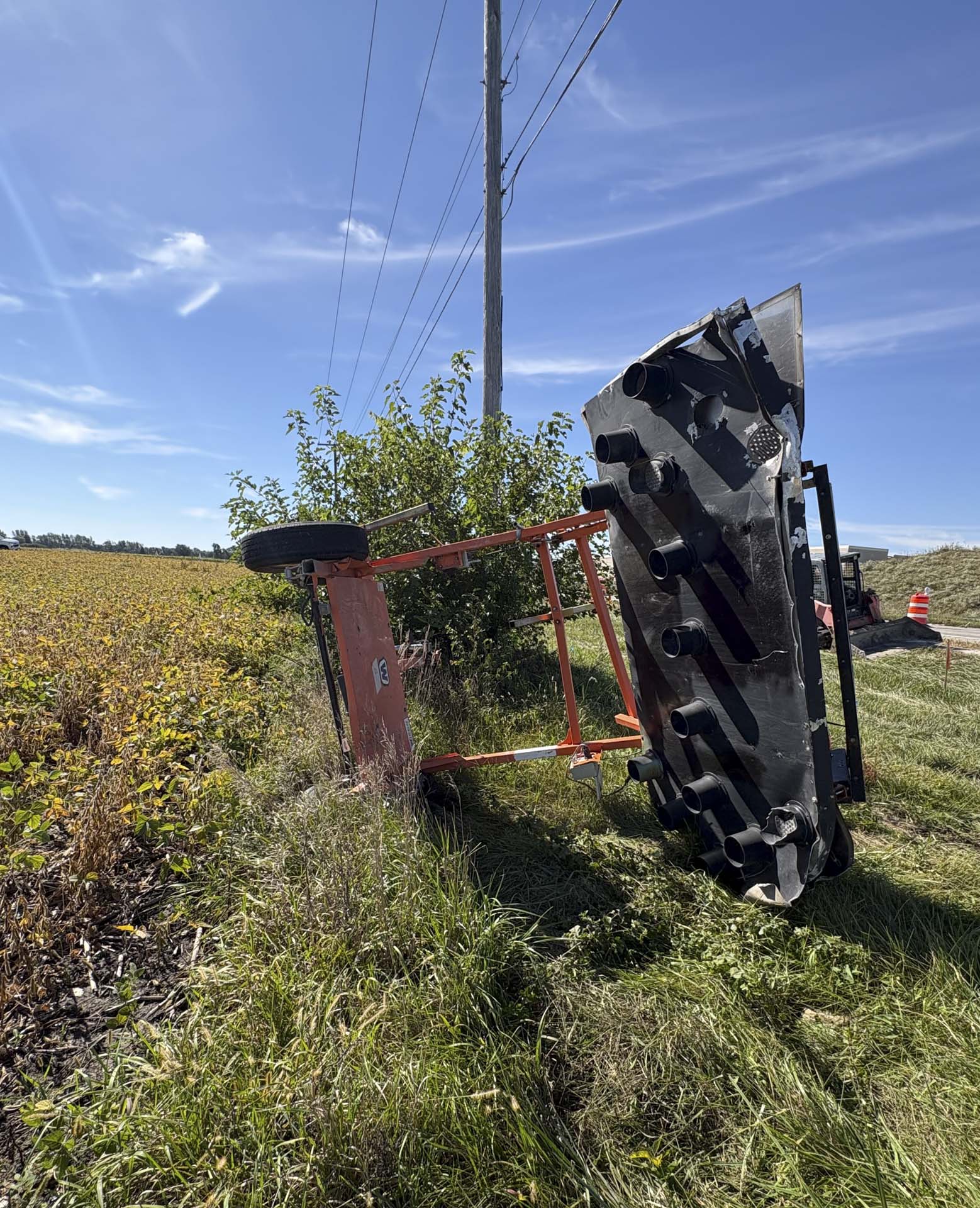
- Incident: A public motor vehicle (PMV) approached the work zone at approximately 60 mph and drove directly through the lane merger without slowing or changing course. The vehicle struck the arrow board with such force that the equipment was propelled over 400 feet down the highway.
- Outcome: The vehicle careened off the roadway, crossed the easement, and crashed directly into the active trench where crews were working. By pure chance and crew situational awareness, the vehicle narrowly missed an excavator and a worker preparing to enter the trench. No injuries occurred, but the event highlighted how distracted driving completely bypasses passive physical devices.
The Intersection of Auto Technology and Work Zone Intrusions
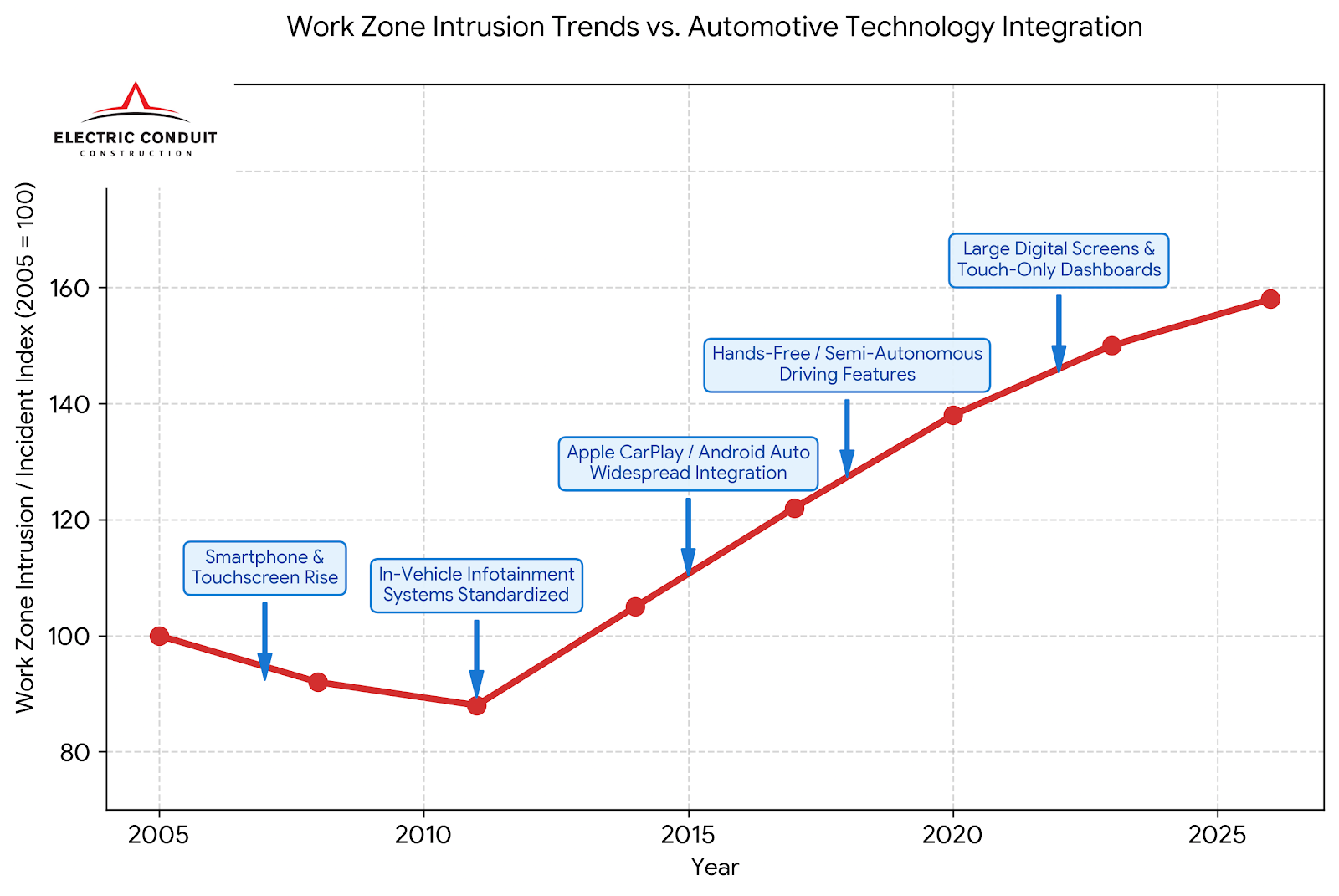
Historically, road safety measures assumed drivers were continuously observing the roadway. Over the last two decades, however, vehicle design and consumer electronics have fundamentally transformed the cabin environment:
- Smartphones & Touchscreens (2007–2011): The proliferation of mobile devices introduced cognitive, visual, and manual distractions.
- In-Vehicle Infotainment Systems (2011–2015): Complex dashboard touchscreens replaced physical, tactile knobs. Drivers must now look away from the road to adjust climate, navigation, or media.
- Smartphone Mirroring & Connectivity (2015–2018): Continuous streams of notifications keep drivers engaged with digital content while driving.
- Advanced Driver Assistance Systems (ADAS) & False Complacency (2018–Present): Adaptive cruise control, lane-keeping assist, and semi-autonomous features can create a false sense of security, encouraging drivers to disengage from active monitoring.
Because distracted drivers fail to register warning signs until it is too late, construction companies must adopt proactive defense strategies:
- Expanding Buffer Distances: Extending taper lengths and advanced sign placements to provide extra reaction time.
- Redundant Warning Devices: Deploying secondary warning systems (e.g., additional arrow boards in caution mode).
- Active Crew Situational Awareness: Training workers to maintain constant vigilance, spot erratic oncoming traffic, and maintain clear escape routes.
In the future it may be possible for automobiles to recognize work zones and automatically slow and stay in the traffic lane. But as long as there are legacy vehicles on the road workers are in the line of fire and must be protected. It is up to every company to make their work zones safe from distracted drivers by adding redundant warnings and barriers to their traffic control plans.