
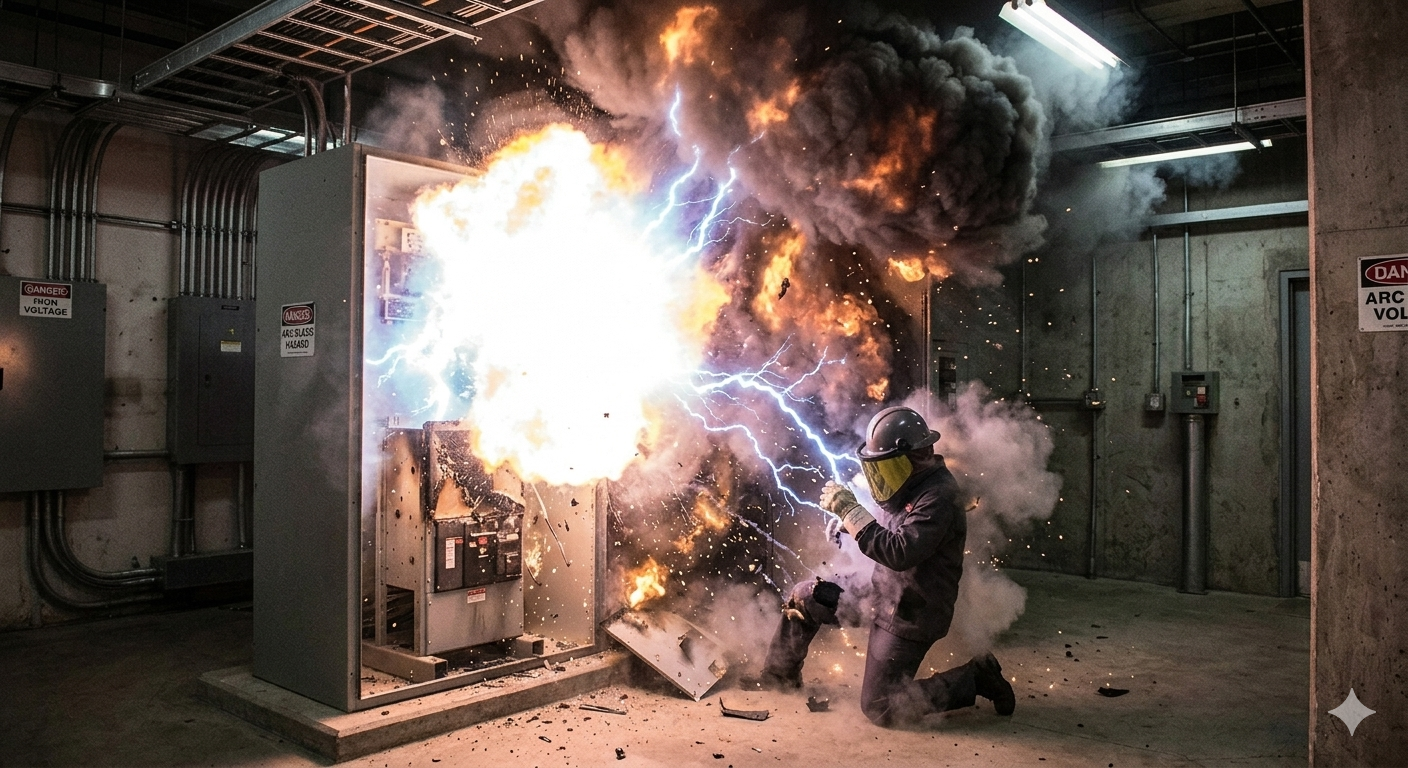
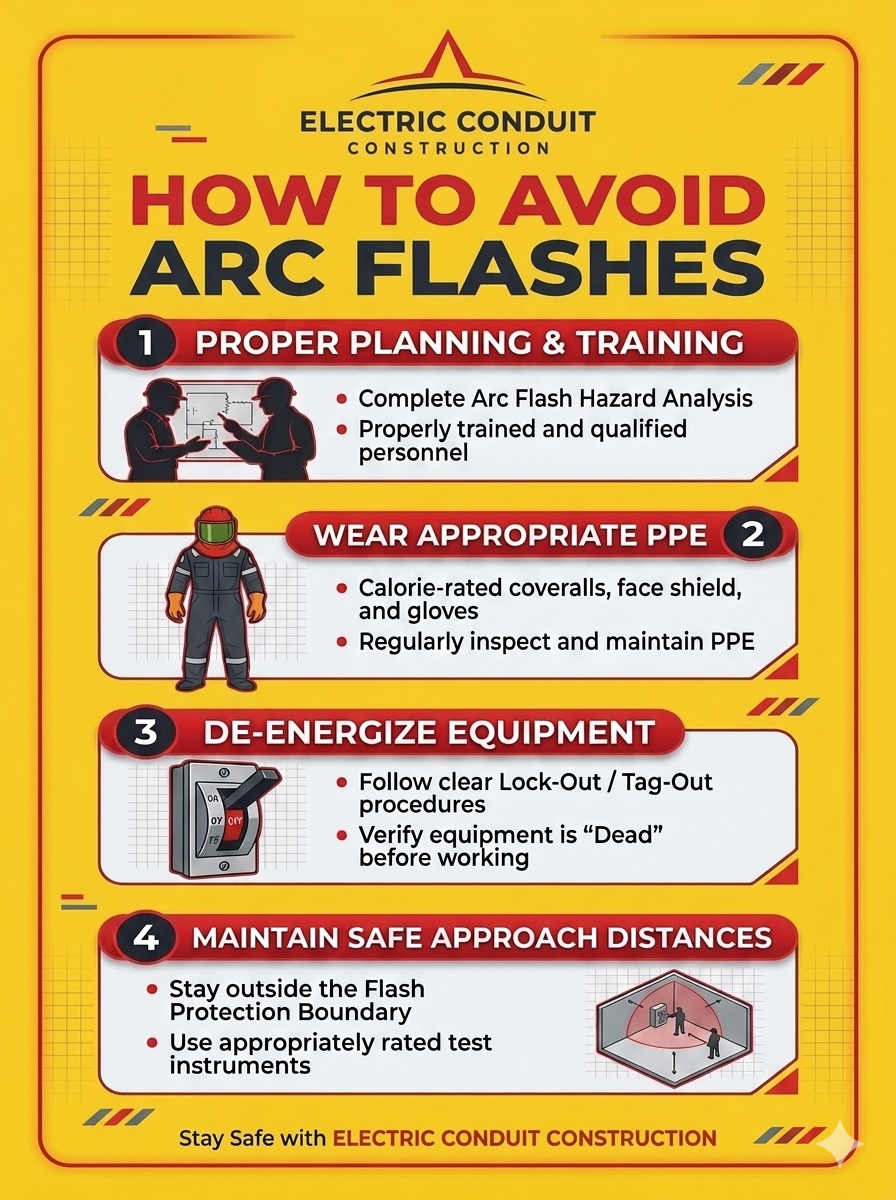
The only way to completely avoid an arch flash is to de-energize the equipment, lock it out and tag it (LOTO) and test the circuit.
Avoid Arc Flash
Who is at risk from an Arc Flash?
Anyone working around electrical infrastructure underground or overhead is at risk of an arc flash event. This is why emphasis is placed on de-energizing equipment, test before touch and appropriate PPE for the task at hand.
Complacency and not following procedures are key factors in arc flash events. Experienced tradesmen are at a higher risk. Because they have performed the same tasks for 20 years or more. It has become routine and problem free. Then in the last millisecond of their 20th year they are hit with a violent explosive, shock wave of searing hot toxic gas and molten metal.
Key statistics regarding the frequency and impact of arc flash incidents include:
- Daily Occurrence: Estimates indicate 5 to 10 incidents occur every day in the U.S.
- Annual Volume: While some studies suggest up to 30,000 incidents per year, others point to a higher frequency of reported injuries, suggesting a severe, widespread risk.
- Fatalities and Injuries: Approximately 400 deaths occur annually due to arc flash incidents, often caused by burns rather than shock.
- Common Causes: 2 out of 3 arc flash incidents are attributed to human error, such as improper work procedures, accidents, or lack of proper PPE.
- High-Risk Settings: These events are not limited to high voltage; they are common in industrial plants, data centers, and commercial buildings.
An arc flash is an instantaneous, violent transformation of solid conductor material into ionized, gaseous plasma. Temperatures reaching over 35,000°F (four times the sun’s surface) break molecular bonds, causing copper to vaporize and expand to 67,000 times its original volume, resulting in an explosive, conductive cloud.
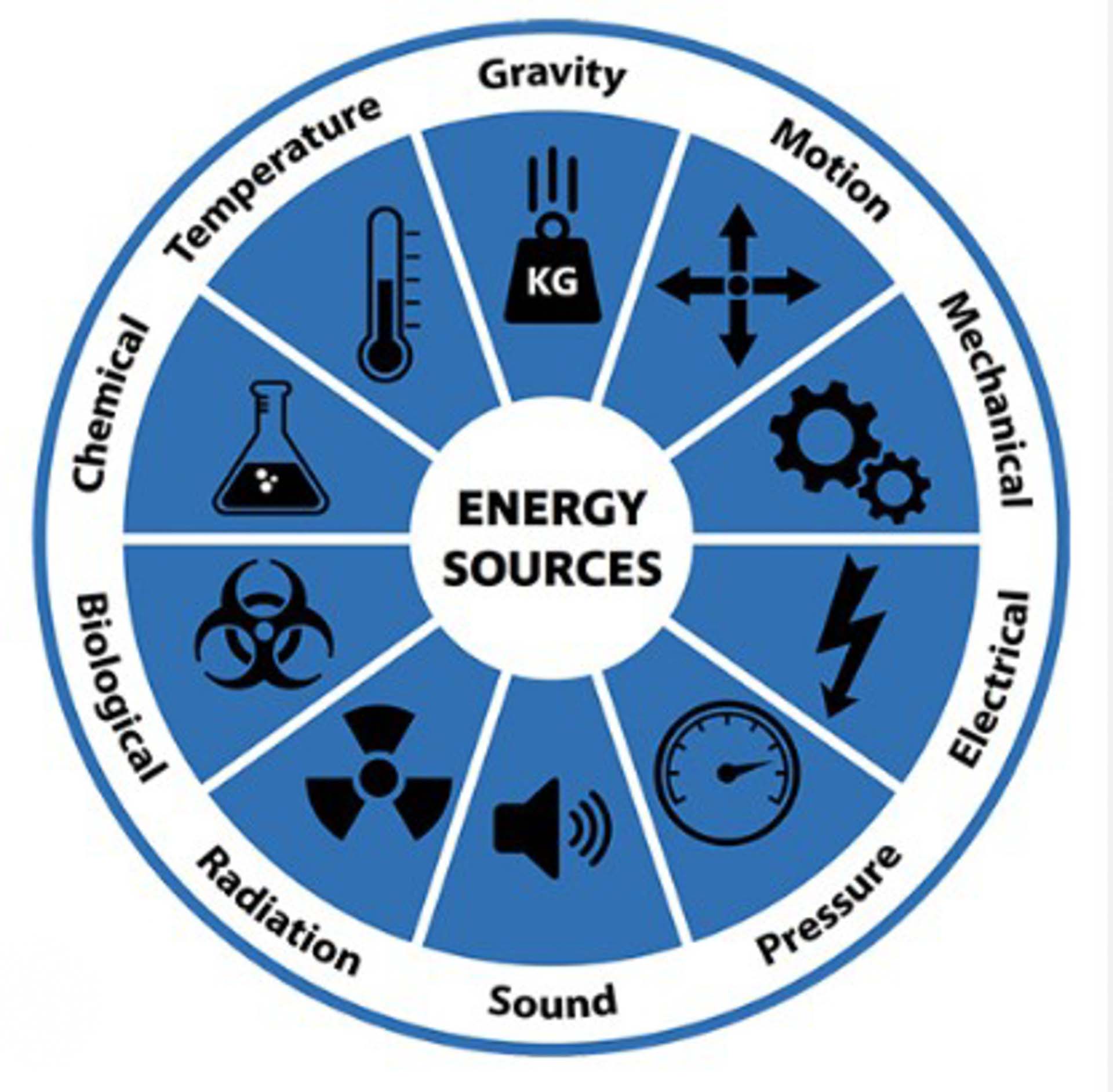
Impacted Energy Wheel Segments
- Electrical: The initial source, involving the flow of current through the air between conductors.
- Temperature (Thermal): Intense heat is released, reaching temperatures up to 35,000°F—four times hotter than the surface of the sun.
- Pressure: The rapid heating of air creates a high-pressure blast wave (arc blast) that can throw workers and damage structures.
- Sound: The sudden expansion of air creates a deafening sound wave, like a small explosion.
- Radiation: The event produces an intense flash of light, including harmful ultraviolet (UV) and infrared (IR) radiation.
- Mechanical: The force of the blast can turn nearby hardware, such as conduit or equipment panels, into flying shrapnel.
Molecular-Level Events During an Arc Flash:
- Ionization of Air: The extreme voltage gradient strips outer-shell electrons from air molecules, transforming insulating air into conductive plasma.
- Vaporization of Materials: Solid metal conductors (copper, aluminum) reach their boiling point instantly, changing phase directly from solid to gas.
- Molecular Expansion: When copper vaporizes, it expands to 67,000 times its original solid volume and instantly transforms into a gaseous state. Water vapor expands 1,670 times, causing a massive, rapid pressure wave.
- Release of Radiant Energy: Electrons returning to lower energy states release intense UV and visible light, along with electromagnetic radiation.
- Molecular Contaminants: Carbonized particles, molten metal, and toxic gas are released into the plasma cloud, which can cause severe inhalation burns if inhaled.
Forces Generated:
- Plasma Arc: The conductive cloud of gas continues to carry the electrical fault.
- Pressure/Shockwave: The explosive expansion produces a supersonic concussion force (arc blast).
Links:
https://www.osha.gov/electrical/flash-hazards
The best way to avoid an arc flash is to de-energize, Lock Out Tag Out (LOTO) the circuit and test for zero voltage. If work must be performed on energized circuits or equipment a detailed plan must be made and followed including all necessary PPE.