
Safety News - Bravest Men & Women in Construction, Flaggers
|
ELECTRIC CONDUIT CONSTRUCTION |
NEWS RELEASE |
Confronting the Growing Peril Facing Roadway Flaggers
|
They stand on the thin white line separating heavy construction from high-speed traffic. Day in and day out, roadway flaggers serve as the bravest men and women in the construction industry—yet they increasingly face a deadly combination of driver distraction and outright hostility. |
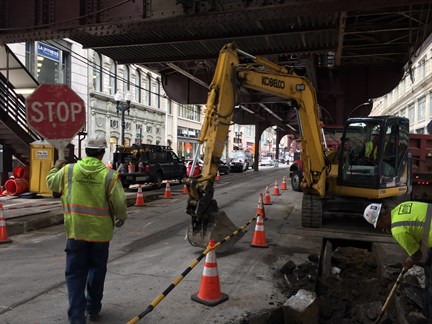
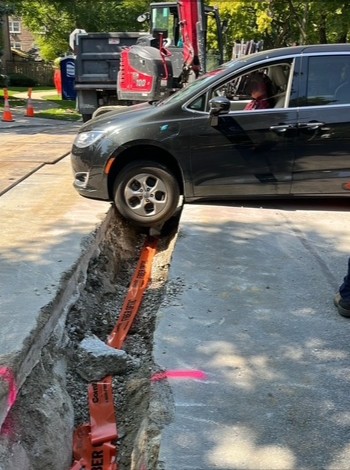
According to recent records compiled by the Occupational Safety and Health Administration (OSHA), an average of eight flaggers lose their lives each year while performing their critical duties in Temporary Traffic Control (TTC) zones. As commercial and infrastructure projects ramp up nationwide, safety advocates warn that these numbers could climb unless motorists drastically adjust their behind-the-wheel behavior.
8 |
ANNUAL TRAGEDIES: Flaggers killed each year in work zones according to OSHA records. Driver distractions and complacency threaten to drive this estimate even higher. |
The primary culprit behind this workplace hazard is modern technology mixing with human impatience. Motorists today are driving through active work zones profoundly distracted by cell phones, streaming video content, hands-free voice calls, and interactive navigation maps. When this digital preoccupation is combined with a widespread disregard for posted work-zone speed limits and a modern "me first" driving attitude, standard work areas instantly transform into highly dangerous, volatile environments.
|
"Today’s work zone will be a smooth road tomorrow. The very drivers who are rushing past and ignoring instructions are the direct beneficiaries of these infrastructure improvements." |
Flaggers are not an inconvenience; they are actively routing traffic around complex work zones designed to improve the communities they serve. Their labor directly results in modernized, smoother roadways, enhanced grid resiliency, expanded cellular and high-speed data communications, and more robust utilities that modern society depends upon. The fiber optic cables currently being laid down under hazardous conditions will ultimately provide high-speed internet to thousands of residential homes and local commerce hubs.
In response to these escalating risks, Electric Conduit Construction has launched a renewed safety awareness campaign directed at both the public and field crews. For drivers, the directive is straightforward: slow down, completely eliminate electronic distractions, exercise basic courtesy, and take a moment to respect or thank the flaggers safeguarding the roads.
Simultaneously, field personnel are being re-trained on strict hazard mitigation protocols, including standardizing hand-signaling devices, maximizing personal visibility from at least 500 feet, planning emergency escape routes during morning briefs, and establishing rigorous procedures for handling non-compliant motorists and emergency vehicle passage.