
The Importance of Pre-Marking a Job

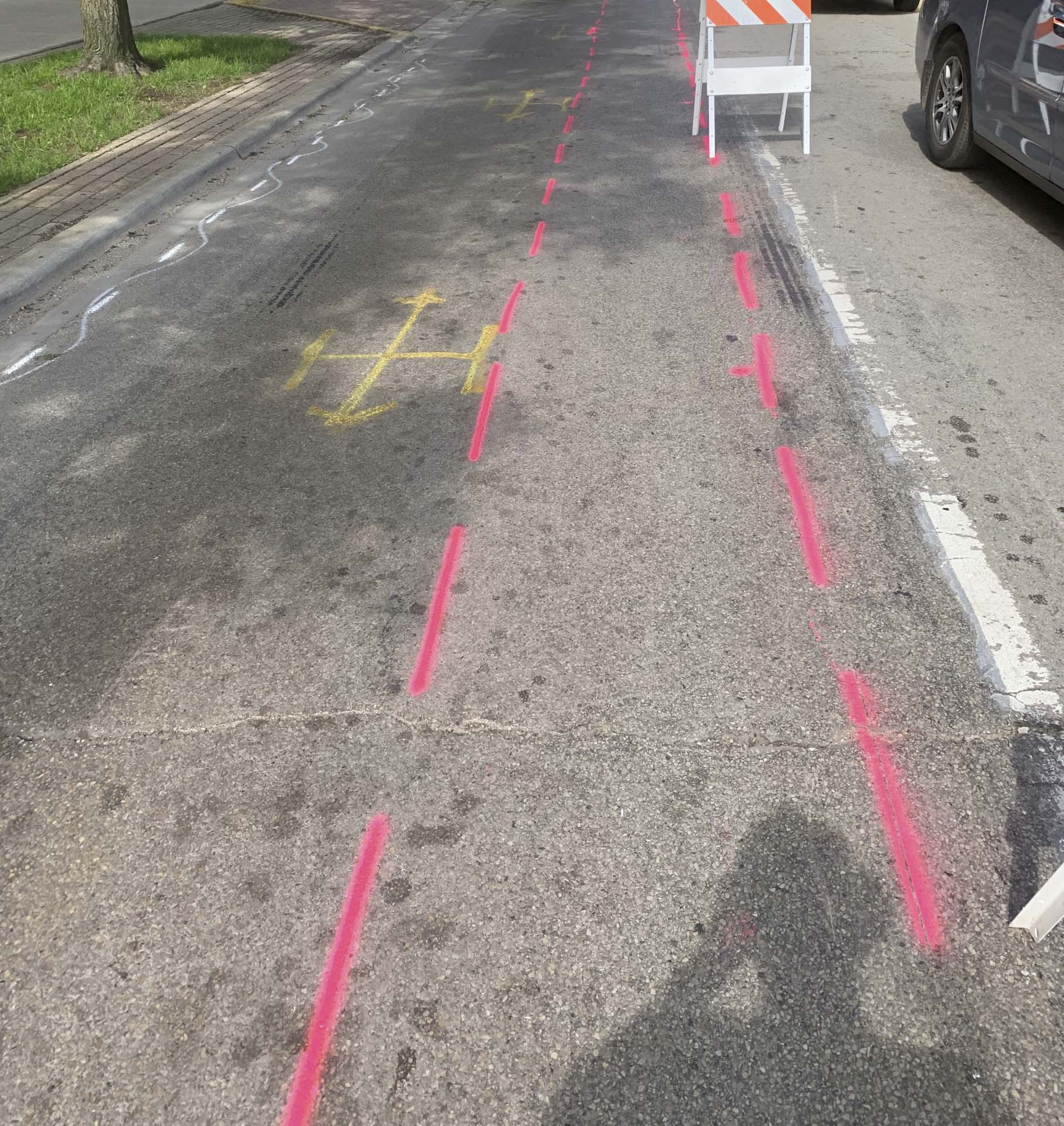
The Power of Preparation in Underground Construction
Every successful human endeavor shares one foundational element: preparation. Without it, projects quickly descend into frustration, wasting valuable time, energy, and resources.
In underground construction, this rings especially true. Regardless of a project's size, failing to prepare can render a job unprofitable, unpredictable, and—most importantly—dangerous. Recently, Greg Preisch, Director of Operations at Electric Conduit Construction (ECC), shared his expertise on this critical phase during an episode of the J.U.L.I.E. Toolbox Talks podcast.
The Importance of "White Lining"
Of all the behind-the-scenes planning executed by ECC’s Project Managers and Superintendents, perhaps the most vital step is pre-marking, or "white lining," the site. Conducted before officially calling for utility locates, this process involves physically marking the exact area of expected ground disturbance.
This proactive step gives trained professionals the opportunity to evaluate the site using visual surface clues, such as:
-
Utility meters
-
Transformers
-
Buffalo boxes
By mapping these out early, the team can accurately estimate the number of crossing and parallel utilities they will encounter.
Catching Anomalies Before Breaking Ground
Once the official locates are called in and marked on the ground, an ECC foreman returns to the site to verify the markings and hunt for anomalies. A keen eye can prevent a disaster. Key examples of these "good catches" include:
-
Unmarked Hazards: Spotting a residential gas meter without a corresponding green locate mark.
-
Missing Lines: Noticing only two marked cables leading to a distribution junction box when the infrastructure dictates there should be three.
These discrepancies present critical questions that must be resolved before a single piece of heavy machinery is fired up. Only when the project team is entirely confident that all foreign utilities have been identified will a crew be scheduled to begin work.
Safety and Success Go Hand-in-Hand
Ultimately, preparation is everything. Thorough planning not only ensures that a project stays on schedule and within budget, but it guarantees a safer work environment for everyone involved.
Tune In: We highly recommend listening to the J.U.L.I.E. Toolbox Talks podcast. It is an excellent, ongoing resource for learning how to prevent utility damage and work safely in the field. A special thank you to Greg Preisch for sharing his valuable insights on the art of pre-marking!